NEBBIOLO PRIMA 2025: A JOURNEY INTO THE HEART OF LANGHE AND ROERO

Mohona Chowdhrey
@ the_winedian_girl
Attending Nebbiolo Prima this year was an extraordinary experience for me both personally and professionally. This annual event, organised by Albeisa Consorzio, is one of the most significant opportunities in the international wine world for appreciating some of the most iconic expressions of Italian wine heritage. For 30 years, Albeisa has brought journalists, trade professionals, and wine lovers from around the world to Alba to taste the latest young releases of Barolo, Barbaresco, and Roero DOCG wines, to understand their potential and to witness firsthand the character that the vintage imbues in these great Nebbiolo wines.
What is Nebbiolo Prima?
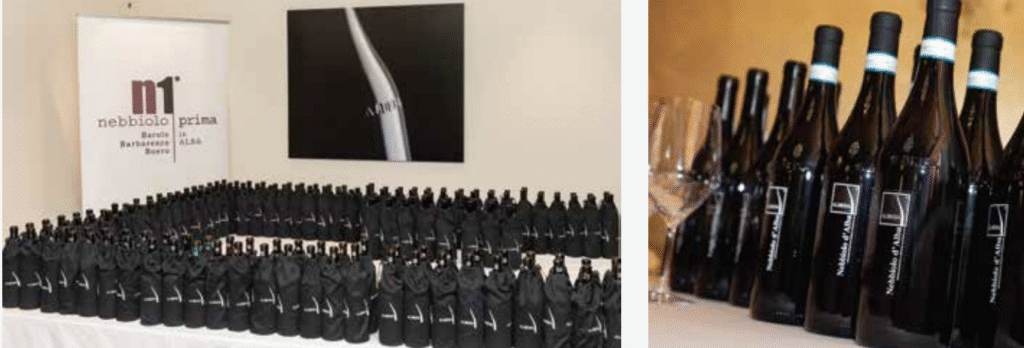
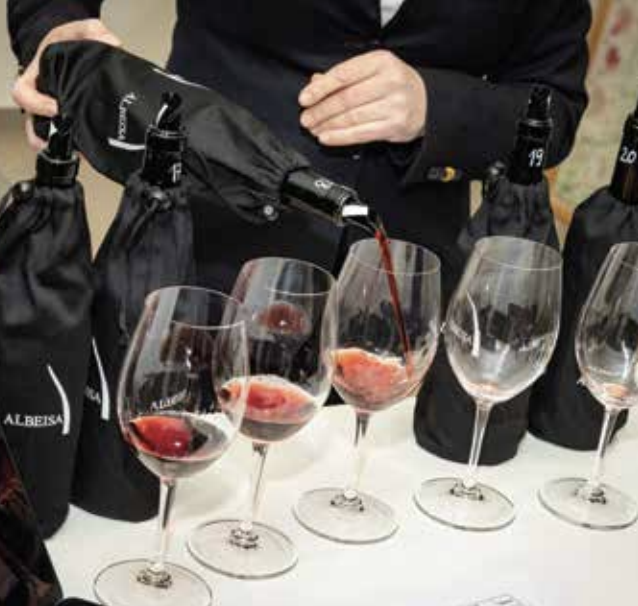
Nebbiolo Prima was the official preview of the latest vintages from the Nebbiolo-based DOCG wines of the Langhe and Roero areas. The event was an opportunity to taste young Barolo, Barbaresco, and Roero wines before they reach broader markets, allowing us to assess early development, potential evolution, and stylistic signatures of each vintage. At the tasting, all wines were served blind, revealing to us only the vintage, appellation, and vineyard information. This format gave me a deeper understanding of terroir, climate influence, and winemaking style across different communes and producers highlighting nuance, precision and balance.
Nebbiolo Prima was the official preview of the latest vintages from the Nebbiolo-based DOCG wines of the Langhe and Roero areas. The event was an opportunity to taste young Barolo, Barbaresco, and Roero wines before they reach broader markets, allowing us to assess early development, potential evolution, and stylistic signatures of each vintage. At the tasting, all wines were served blind, revealing to us only the vintage, appellation, and vineyard information. This format gave me a deeper understanding of terroir, climate influence, and winemaking style across different communes and producers highlighting nuance, precision and balance.
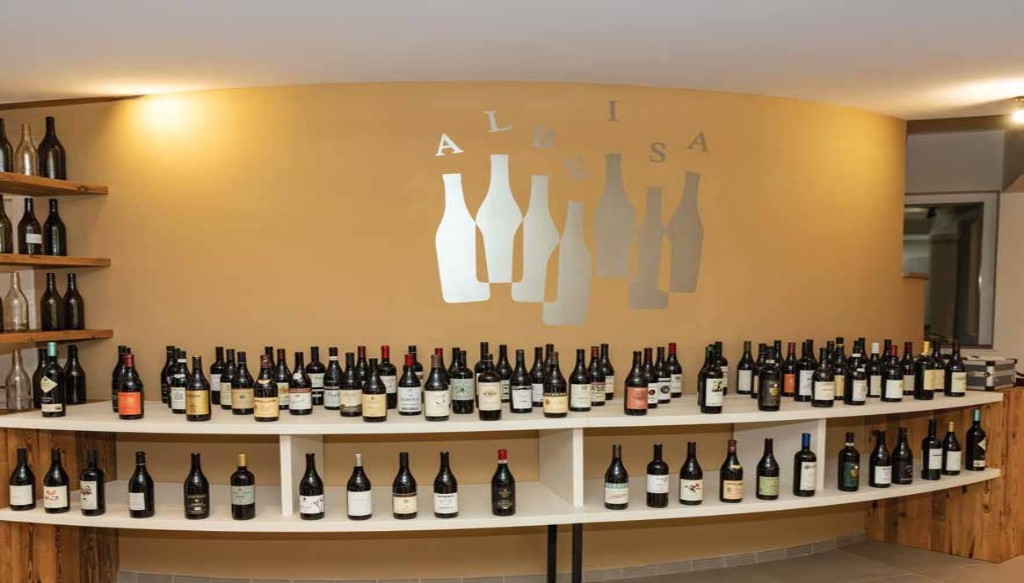
Albeisa itself was central to this experience. Founded to promote the great wines of the Alba area globally, it represents hundreds of producers and a long-standing tradition embodied by the classic Albeisa bottle. This 18th-century bottle design has become a symbol of quality and identity for wines of the Langhe, and being part of the Consorzio means dedicating oneself to strict quality regulations and a proud heritage.
Vintage 2022: Barolo’s Strength and Character
The 2022 Barolo vintage will be remembered for its early harvest and remarkable adaptation of Nebbiolo vines to challenging climatic conditions. The year began with low winter rainfall and mild early temperatures, leading to a growing season that moved ahead of the norm. A long period of dry weather through spring and summer, combined with heat, drove the physiological development of the vines faster than usual, requiring careful canopy management to protect grapes from sun exposure. Harvest started unusually early, with Nebbiolo not far behind mid-September ripeness, a sign that the vines delivered concentrated fruit with smaller berry size and a favourable skin-to-pulp ratio. These conditions suggest wines with strong structure, excellent alcohol integration, and the potential for long-term ageing, provided that acidity is carefully preserved during vinification.
The 2022 Barolo vintage will be remembered for its early harvest and remarkable adaptation of Nebbiolo vines to challenging climatic conditions. The year began with low winter rainfall and mild early temperatures, leading to a growing season that moved ahead of the norm. A long period of dry weather through spring and summer, combined with heat, drove the physiological development of the vines faster than usual, requiring careful canopy management to protect grapes from sun exposure. Harvest started unusually early, with Nebbiolo not far behind mid-September ripeness, a sign that the vines delivered concentrated fruit with smaller berry size and a favourable skin-to-pulp ratio. These conditions suggest wines with strong structure, excellent alcohol integration, and the potential for long-term ageing, provided that acidity is carefully preserved during vinification.
At Nebbiolo Prima, I was struck by the youthful intensity of the 2022 Barolos; even at this early stage, they show expressive aromatics, ranging from dark fruit to spice, and floral complexity that hints at a great future unfolding. The tannins are present and firm yet promise to integrate beautifully over time. This vintage clearly rewards patience and cellaring so that its powerful profile can harmonise and reveal deeper subtleties.
Vintage 2023: Elegance and Balance
The 2023 growing season brought a very different set of conditions. A cold winter with abundant rainfall allowed the vines to emerge from dormancy with good water reserves.
The 2023 growing season brought a very different set of conditions. A cold winter with abundant rainfall allowed the vines to emerge from dormancy with good water reserves.
However, the early part of spring was unusually dry, requiring attentive vineyard management to avoid disease and stress. May and June were marked by frequent rain and cool temperatures, which facilitated vegetative growth but demanded care to prevent fungal pressure. A notable climatic event on July 6 brought heavy rain and hail to parts of the region, although the core Barolo and Barbaresco areas were largely spared. This led to a settled summer with no significant water stress, allowing consistent ripening of Nebbiolo through August and into October.
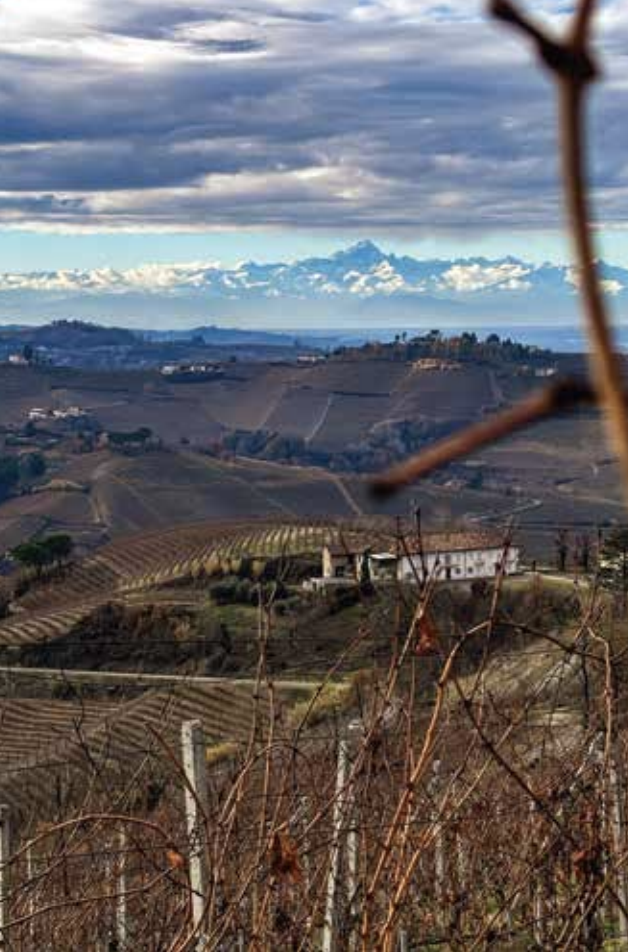
For Roero DOCG 2023, this balance translates into wines of refined elegance and freshness. The Nebbiolo-dominant Roero wines displayed lifted aromatics and a delicate interplay between fruit intensity and refreshing acidity. These wines are not as tannic as Barolo at this stage, but they show remarkable finesse and promise to age gracefully. The Barbaresco 2023 also impressed me with its poise and bright fruit character. Unlike some warmer years where high sugar levels push alcohol higher, this vintage preserved a balance between sugar and acidity, giving wines a sense of lift and vivacity that speaks to both early enjoyment and future development.
Differences Across Barolo, Barbaresco, and Roero
Because Nebbiolo is such a sensitive and terroir-expressive grape, tasting across the DOCGs highlighted how the same grape can display dramatically different personalities. In Barolo, especially in the 2022 vintage, I noted more structured tannins and deeper, denser aromatic profiles with forest floor and spice notes that are hallmarks of great Barolo.
Because Nebbiolo is such a sensitive and terroir-expressive grape, tasting across the DOCGs highlighted how the same grape can display dramatically different personalities. In Barolo, especially in the 2022 vintage, I noted more structured tannins and deeper, denser aromatic profiles with forest floor and spice notes that are hallmarks of great Barolo.
In contrast, Barbaresco from 2023 leaned towards refined red fruit, floral notes, and elegant structure, with an approachable yet complex presence. Roero 2023 appeared lighter on its feet, immediate and charming, yet just as capable of ageing beautifully.
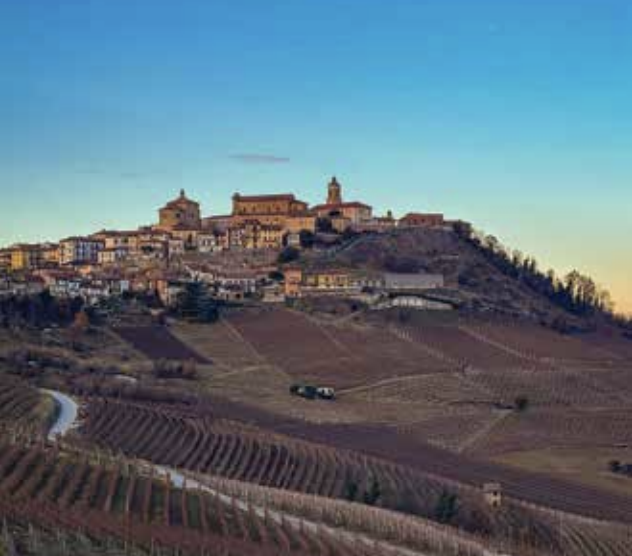
One of my favourite communes was Monforte d’Alba. Tasting young Barolos in the morning was unexpectedly enlightening. Monforte’s expression tends to be fruitier on the nose, offering bright berry notes and a softer initial impression, compared with the classic Barolo commune, where tertiary aromas of mushroom and forest floor develop more prominently even at an early stage. This diversity is part of what makes Langhe so fascinating. The terroir differences, even at the scale of neighbouring communes, can shape Nebbiolo in profoundly different ways that only a direct comparative tasting like Nebbiolo Prima can reveal.
Personal Reflections and Cultural Immersion
Beyond the wines, Nebbiolo Prima was enriched by cultural and educational experiences that deepened my connection to this land. We explored the geography and soils of the region with Professor Edmondo Bonelli, gaining insight into how soil composition and hillside exposures influence the growth and eventual wine style of Nebbiolo. With Professor Anna Schneider, I learned about the genetic aspects of Nebbiolo, understanding why this grape is so ancient, noble, and yet so demanding. And Emanuele Coraglia guided us through the broader Langhe and Roero landscape, bringing context that transformed vineyards on a map into places of living heritage.
Beyond the wines, Nebbiolo Prima was enriched by cultural and educational experiences that deepened my connection to this land. We explored the geography and soils of the region with Professor Edmondo Bonelli, gaining insight into how soil composition and hillside exposures influence the growth and eventual wine style of Nebbiolo. With Professor Anna Schneider, I learned about the genetic aspects of Nebbiolo, understanding why this grape is so ancient, noble, and yet so demanding. And Emanuele Coraglia guided us through the broader Langhe and Roero landscape, bringing context that transformed vineyards on a map into places of living heritage.
We also visited the UNESCO landmark Castle of Grinzane Cavour and experienced the local tradition of white truffle hunting, bringing a sensory experience that perfectly complemented the wines; evenings spent dining with locals, sharing stories and flavours, will stay with me as vividly as any wine note.
I owe a special thanks to Marina Marcarino, President of Albeisa Consorzio, for her generous insights and support throughout this journey, and to AB Comunicazione, Carlotta Pasqua, Patrizia Vigolo, and Cinzia Luxardo for their outstanding organisation that made this experience unforgettable, immersive, warm and deeply evocative.