

Why a month without alcohol can reset habits, sharpen clarity, and spark deeper reflection

Ajay Jha
A senior Delhi-based independent journalist
Why January feels right
A Softer Look at Health
How the World is Joining in
Social media has given Dry January its own culture. Friends post day counts, swap tips for evenings out without alcohol and share pictures of zero-proof beers, sparkling teas or non-alcoholic wines instead of the usual cocktails. In India too, wine enthusiast like Mohona Chowdhury highlight local alternatives, balancing with “non-alcoholic options like kanji, kokum sherbet, aam-panna, spiced buttermilk.” For some, it becomes a playful competition. For others, it is a quiet personal experiment. In both cases, the month creates a new kind of community around not drinking.
Dry January is as much about the mind as it is about the body. Alcohol often slips into routine, a glass of wine after work, a beer with friends, a drink to mark the weekend. Taking a month off interrupts that pattern. People start asking simple questions. Do I actually want this drink, or is it just a habit? Do I need alcohol to relax, to socialise, to sleep?

The most interesting part of Dry January may not be the 31 days themselves but what follows. Some people treat it as a once-a-year detox, and then slip straight back into old patterns in February. Others find they like the clearer head and choose to extend their break into the next month. Many end up somewhere in between, drinking less often, choosing better quality drinks or setting small rules for themselves about when and how they drink.
There is a serious side that cannot be ignored. People with a heavy physical dependence on alcohol are often advised to seek medical help before stopping and sometimes to cut down slowly rather than quit all at once. Sudden withdrawal in such cases can be risky, which is why health experts stress that campaigns like Dry January are aimed at regular drinkers, not those with severe dependence.

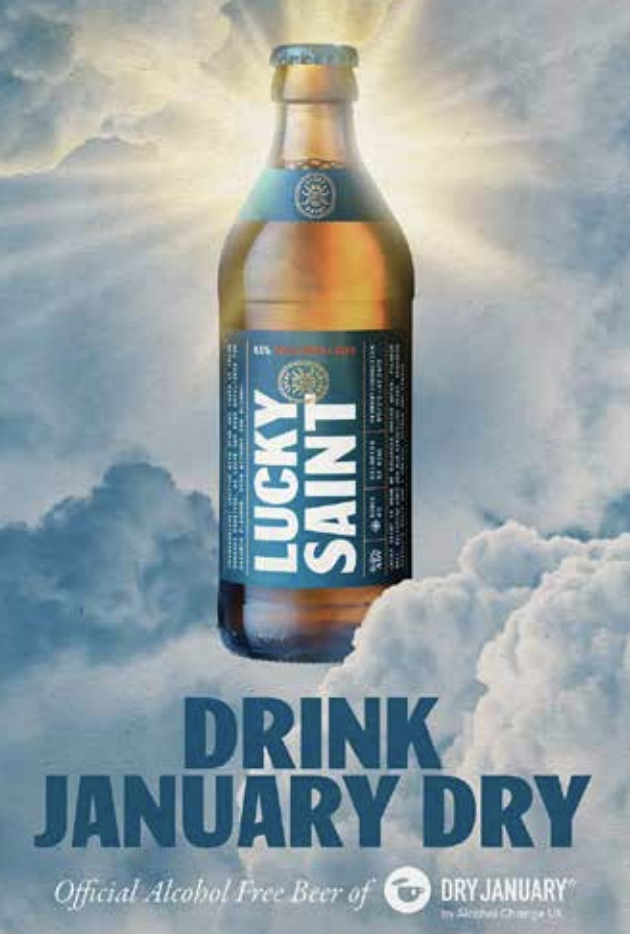
Alcohol Change UK has turned Dry January into a registered, global campaign with a simple promise. One month. One clear goal. Yet the simplicity hides a complex picture. Alcohol is woven into culture, celebration and hospitality, even as it burdens health systems and families. Dry January sits in the middle of that tension. It gives people a socially acceptable excuse to say no for a while without having to declare that they are “quitters” forever.
Mohona Chowdhury, E n o t o u r i s m Specialist, WSET-3
“Dry January is about u n d e r s t a n d i n g alcohol better and trying new spirits in moderation. It is a chance to explore Indian local beverages beyond familiar wine and mainstream spirits. Fermented drinks like toddy and Mahua reflect terroir, seasonality, and community traditions. Spirits such as feni express regional identity. Balance tasting with non-alcoholic options like kanji, kokum sherbet, aam-panna, spiced buttermilk and non-alcoholic wine. Taste mindfully, ask producers about techniques, and pair small plates to learn why these drinks belong to their places.”
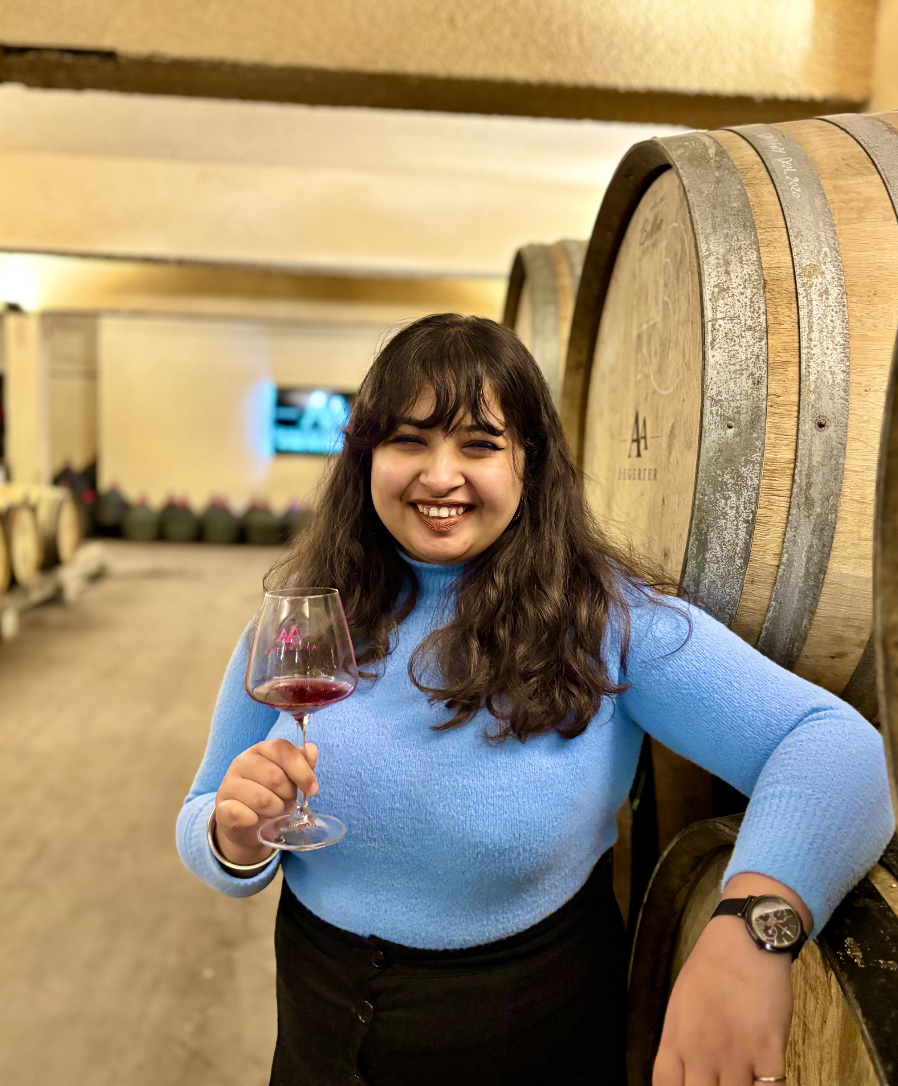

“Dry January is less about abstinence and more about awareness. It nudges consumers to pause, reassess habits and return to drinking with intent. For the industry, it signals a shift toward mindful consumption. For me, moderation is key and should guide choices, Dry January or not.”
“Dry January is widely followed across urban wellness-focused communities in many countries. It serves as a timely reminder to pause and reflect on our drinking habits, especially after an indulgent festive season. As someone who has spent years working closely with wine and spirits, I see value in the intent behind Dry January, but my personal preference leans toward moderation over abstinence.


“Alcohol, when enjoyed mindfully, with food, context, and restraint, fits well into a balanced lifestyle. Rather than an all or nothing approach, I embrace conscious consumption, fewer occasions, premium selections, and heightened appreciation. For me, true progress lies in smarter drinking year-round, not a one-month reset.”
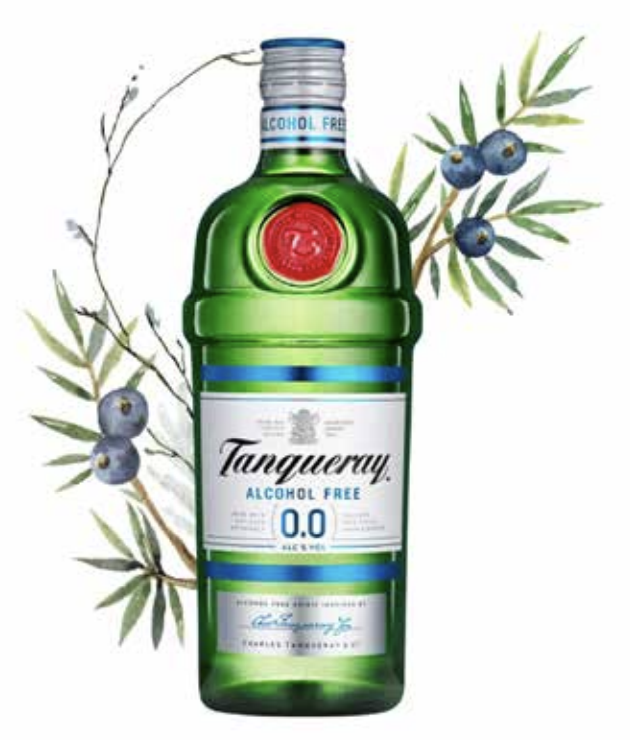
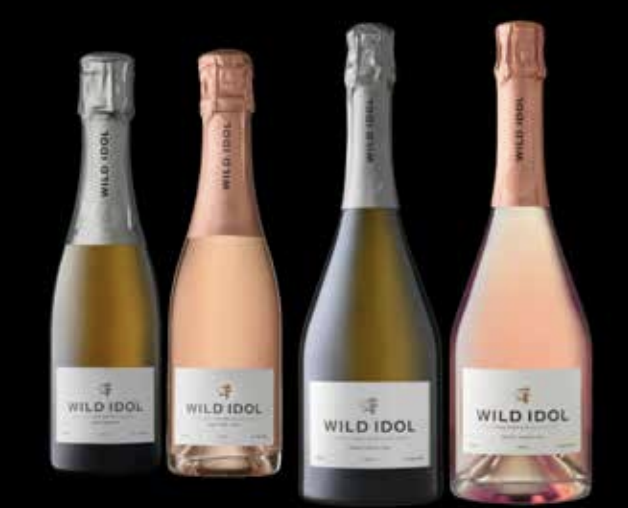
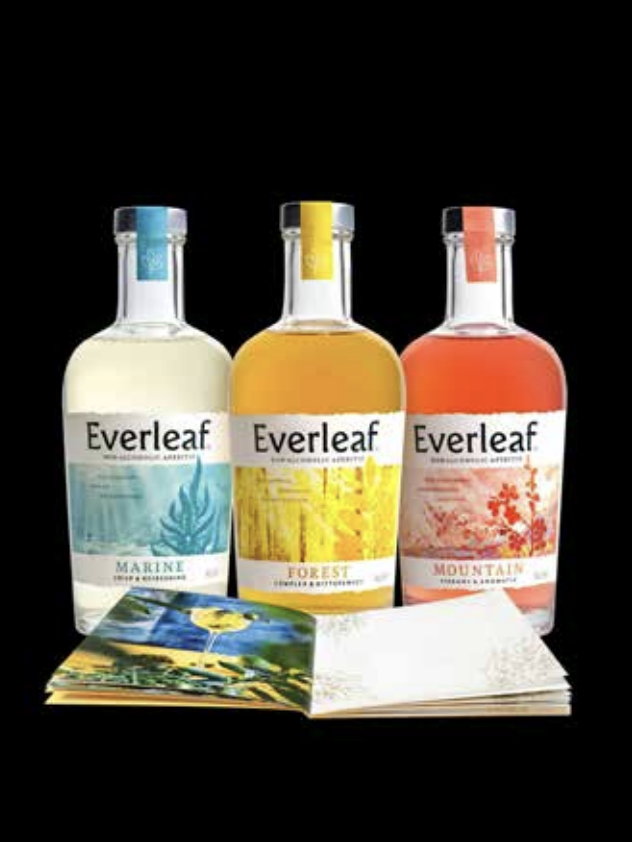
“In London, we are lucky to have a wide variety of alcohol-free beers, sparkling wines, zero-proof spirits, and every aperitif in between, such as Lucky Saint, Wild Idol, Seedlip, Everleaf, and Tanqueray 0.0%. Every self-respecting bar here has a diverse and creative range of non-alcoholic cocktails.