
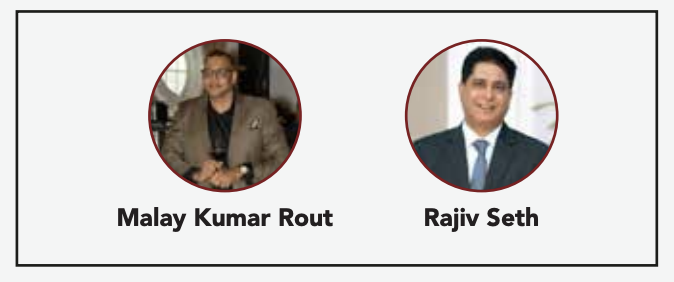
Malay Kumar Rout
in routmalay
The founder of WSCI
(Wine & Spirits Club of India)
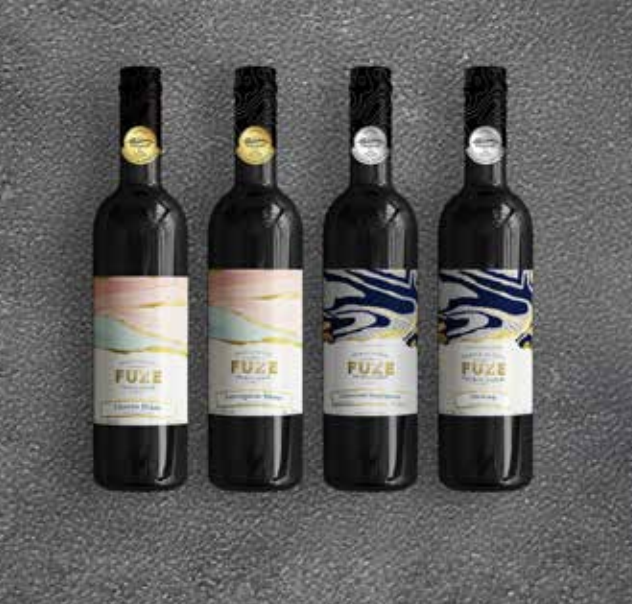
During a recent visit to Nashik, Maharashtra, a region steadily carving its identity in India’s alcoholic beverage landscape, I encountered a uniquely distinctive producer UNIWINE, whose product range immediately stood apart. What followed was an engaging and insightful conversation with the CEO Rajiv Seth, that revealed something even more compelling than the bottles themselves. It became clear that this was not a strategy conceived in a boardroom presentation. Instead, it was a business and marketing approach shaped by a deep understanding of market demand, evolving consumer aspirations, and the gaps that often go unnoticed. In this Q&A, we delve into that journey exploring the vision, strategy, and philosophy behind a producer who exemplifies how listening closely to the market can lead to authentic innovation and meaningful growth.
Rajiv Seth: Thank you, Malay. Great to be here!
Malay Kumar: What inspired you to pioneer wine-based ready-to-drink (RTD) products in India? How did your passion for blending play into that?
Malay Kumar: Globally, RTDs have exploded in popularity, especially among Gen Z. What do you see driving this trend?
Rajiv Seth: Absolutely. RTDs are booming worldwide because they offer convenience, innovation, and novelty. Gen Z prefers low-commitment, exciting drinks with lower ABV options, bold flavours, and premium quality without the formality of traditional beverages. Globally, the RTD alcoholic beverages market is growing strongly, with projections showing significant expansion due to these preferences for portability and experimentation.
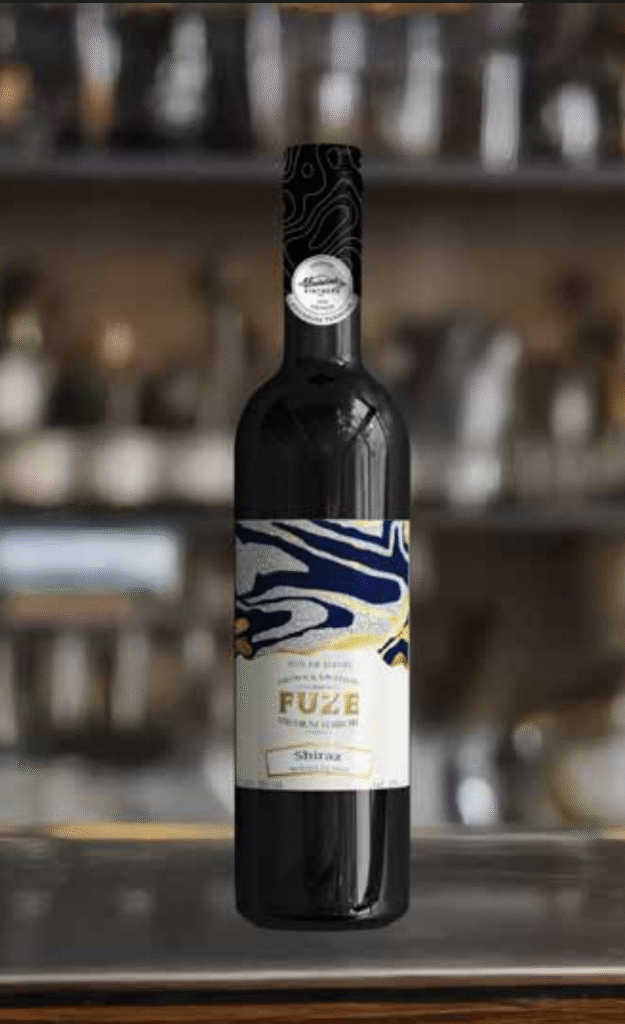
Rajiv Seth: Yes, we’re proud to be pioneers in bringing varietal wines-like Chenin Blanc, Sauvignon Blanc, Cabernet Sauvignon, Shiraz, and Rosé-in 250 ml cans. Still (non carbonated) wines require special technology to prevent can collapse or flavour issues. We use liquid nitrogen (LN2) dosing during filling to create internal pressure and maintain integrity, combined with aluminium cans lined with a water-based polymer to protect the wine’s taste. This allows us to deliver premium, portable varietals without compromising quality-perfect for on-the-go enjoyment.
Malay Kumar: You’re also developing a non-alcoholic range-mixers, flavoured waters, energy drinks. How does this fit your vision, especially for Gen Z?
Rajiv Seth: Gen Z values health-conscious, versatile options. We’re expanding into non alcoholic lines with premium mixers, flavoured waters, and energy drinks that pair perfectly with our wines or stand alone. This aligns with their mindset-innovation, wellness, and fun without alcohol-while broadening our appeal and encouraging responsible enjoyment.
Rajiv Seth: Yes, we’re proud to be pioneers in bringing varietal wines-like Chenin Blanc, Sauvignon Blanc, Cabernet Sauvignon, Shiraz, and Rosé-in 250 ml cans. Still (non carbonated) wines require special technology to prevent can collapse or flavour issues. We use liquid nitrogen (LN2) dosing during filling to create internal pressure and maintain integrity, combined with aluminium cans lined with a water-based polymer to protect the wine’s taste. This allows us to deliver premium, portable varietals without compromising quality-perfect for on-the-go enjoyment.
Malay Kumar: You’re also developing a non-alcoholic range-mixers, flavoured waters, energy drinks. How does this fit your vision, especially for Gen Z?
Rajiv Seth: Gen Z values health-conscious, versatile options. We’re expanding into non alcoholic lines with premium mixers, flavoured waters, and energy drinks that pair perfectly with our wines or stand alone. This aligns with their mindset-innovation, wellness, and fun without alcohol-while broadening our appeal and encouraging responsible enjoyment.
Rajiv Seth: Internationally, RTDs are surging-global markets show strong CAGRs and value growth from convenience and trends. In India, the RTD alcoholic beverages market is projected to grow from around USD 25.8 billion in 2025 to USD 48.7 billion by 2031, with RTD cocktails at 19.7% CAGR in some segments. But yes, we’re behind-due to high excise duties, complex state regulations, price sensitivity, lower disposable incomes in many segments, and traditional preferences for beer or spirits. Awareness and distribution are also hurdles.
Rajiv Seth: We tackle them through relentless innovation-creating affordable, premium tasting products, educating consumers via tastings and sampling, expanding to new regions like Delhi and Haryana, and advocating for policy changes like reduced duties. Challenges like logistics and regulations are real, but India’s young, urbanizing population and rising middle class make the future bright. With the wine market rising, RTDs will lead-offering convenience and excitement. We’re excited to connect with dynamic consumers and grow this category significantly.
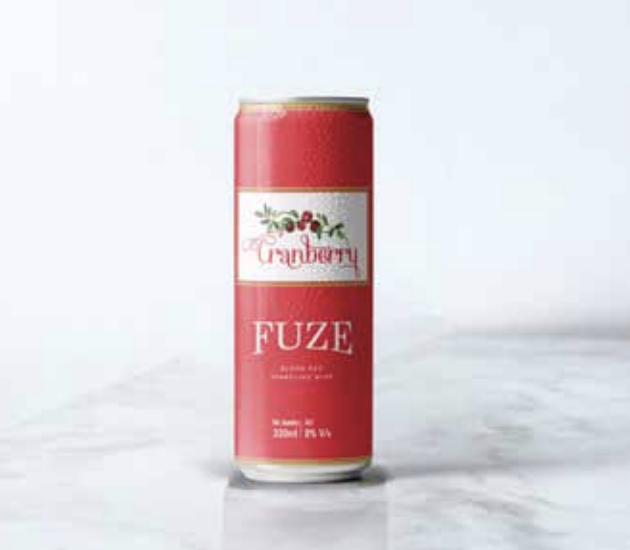
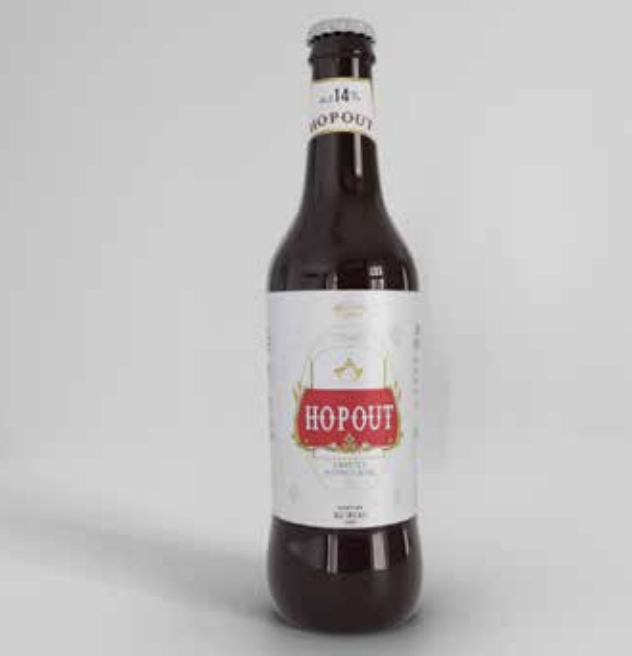
Malay Kumar: Your Fuze brand features some truly innovative products. Could you walk us through key offerings, including the wine cocktails, sparklers, and that standout beer-like sparkler?
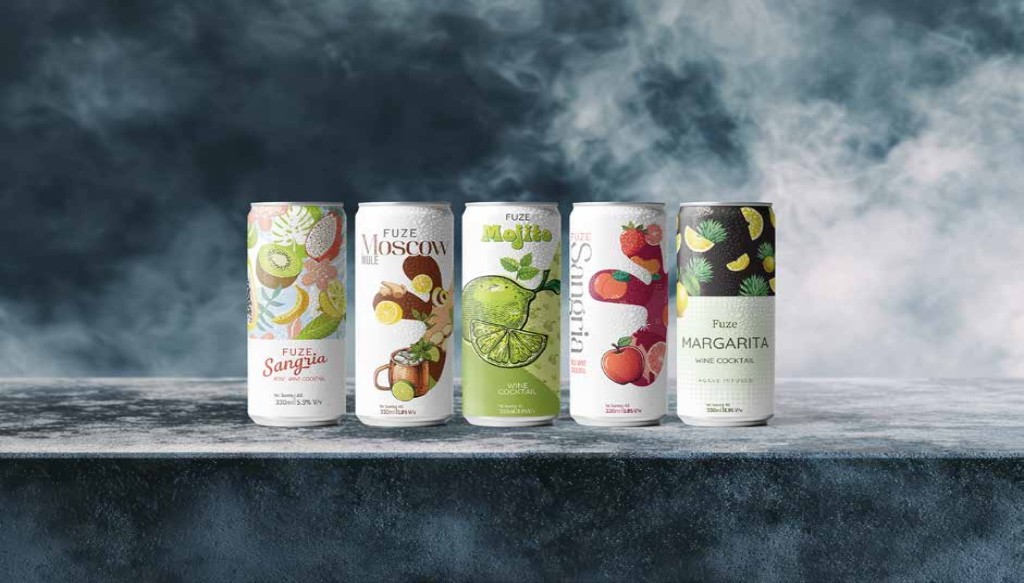
Rajiv Seth: Fuze is all about pushing boundaries. We have canned varietal wines for purists, plus exciting blends. In wine cocktails, we offer Fuze Sangria-infused with fresh fruits like oranges, lemons, berries, and apples for vibrant, refreshing flavors. There’s also Fuze Moscow Mule, a zesty, sparkling take with ginger beer and lime notes, swapping vodka for a lighter wine base. Our sparklers include Frappe Cranberry Wine Sparkler (vibrant and fruity) and Fuze Rosé Wine Sparkler (light and elegant).
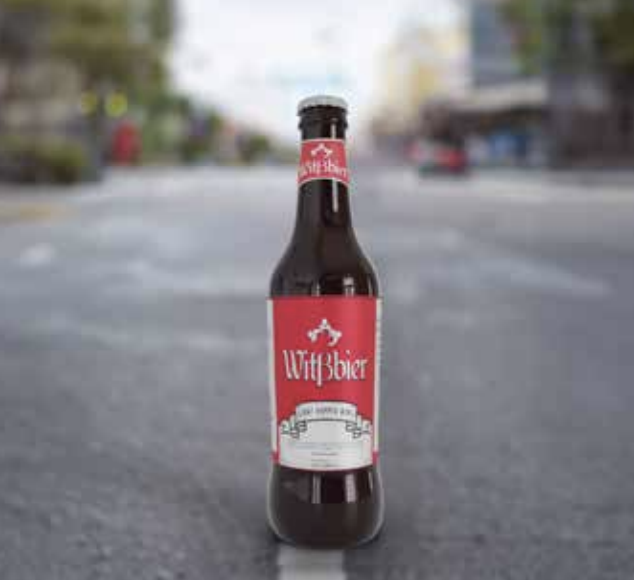
Rajiv Seth: It’s exciting to benchmark ourselves against the global leaders. Globally, brands like Jack Daniel’s (with massive volumes in honey lemonade and cola variants), Cutwater (premium canned cocktails), and White Claw (hard seltzer dominance) excel in convenience, bold flavors, and heavy marketing muscle. They often focus on spirit bases like vodka, tequila, or whiskey, with low-ABV, refreshing profiles appealing to Gen Z and millennials for on-the-go occasions. At Uniwine, we differentiate through our wine-based foundation-something less common globally, where wine-based RTDs (like spritzers or flavored wines from brands such as Stella Rosa or Barefoot) exist but don’t dominate like spirits or seltzers. Our Fuze cocktails (Sangria, Mojito-inspired,Margarita-style) and sparklers (Frappe Cranberry, Rosé) use premium grape bases blended innovatively, delivering authentic wine character with fun, approachable twists. Hopout stands out uniquely-India’s first hopped wine, mimicking beer froth, color, and hopped bitterness at 14% ABV-bridging wine and beer lovers in a way few global brands do directly (though some experiment with wine-beer hybrids).
We’re pioneers in India with canned varietal wines (still, non-carbonated, using LN2 tech), making premium wine portable-similar to global canned wine trends from brands like West + Wilder or Maker’s but tailored to Indian tastes and logistics. While global giants have scale and distribution, we focus on disruption: blending tradition with modernity, lower intimidation factor for wine newcomers, and Gen Z appeal through novelty, health-conscious options (expanding non-alcoholic mixers), and affordability in our context.
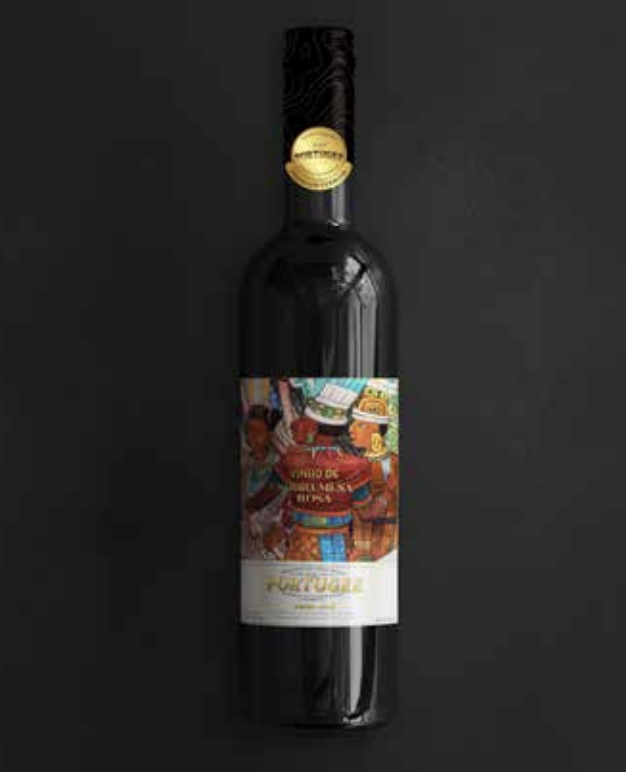
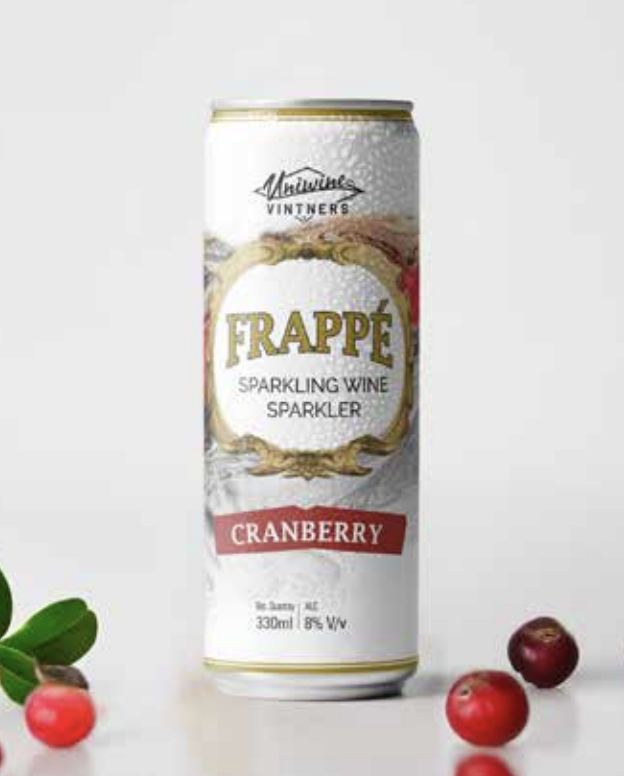
Rajiv Seth: The advantages are clear: we’re local, agile, and deeply understand Indian palates-spicy food pairings, fruit-forward blends like our Jamun or Sangria that resonate culturally, and premium yet accessible pricing amid price sensitivity.
Malay Kumar: Rajiv, sustainability is increasingly important in the wine and beverages industry, especially as consumers-particularly Gen Z-prioritize eco-conscious brands. From your background, you’ve long emphasized eco-friendly technologies. Could you share more about Uniwine Vintners’ sustainability practices and how they integrate into your operations, products, and vision?
Rajiv Seth: Globally, the move to cans is gaining momentum precisely for these reasons- studies and industry reports show aluminium cans have a lower carbon footprint in many lifecycle analyses, especially when recycled. Brands worldwide are adopting this for portability and planet-friendliness, and we’re proud to lead that in India. We’re committed to continuous improvement: optimizing supply chains for efficiency, exploring even lighter packaging options, and educating consumers through our channels about recycling and responsible enjoyment. As we grow-expanding to more states and retail-we aim to partner more closely with sustainable grape growers and incorporate additional green practices, like energy efficient production where possible. Our goal is to make premium, innovative wine enjoyable while leaving a lighter footprint, aligning with global shifts toward circular economies in beverages.