
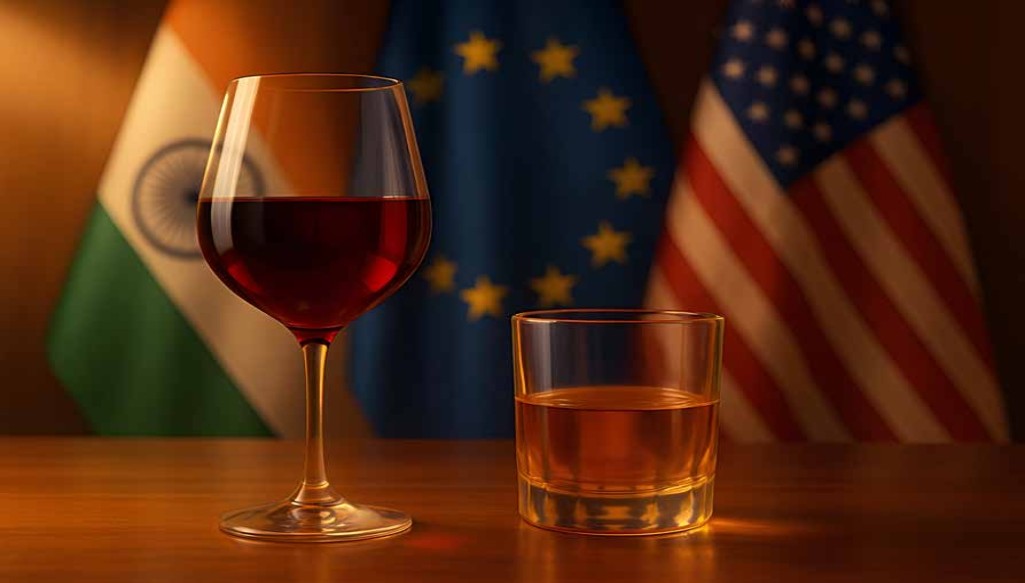
India-EU and India-US Trade pacts, a boost for global ties

Ajay Jha

A senior Delhi-based independent journalist

India has entered a new phase in its international trade relations with the full free trade deal with the European Union, followed by the recent interim agreement with the United States. The India-EU agreement, concluded after prolonged talks, covers a wider range, including services, investment, and sustainability, with the potential to add €100 billion in trade over the next decade.
The India-US pact, signed in early 2026, focuses on tariff reductions in selected sectors to enhance bilateral trade, which already exceeds $190 billion a year. This interim arrangement builds on earlier WTO resolutions and aims to cut barriers in goods like textiles, agricultural products and spirits.
Both deals arrive as India looks to expand its exports, attract investments and diversify markets amid shifting global supply chains. For the alcoholic beverages sector, often called alco-bev, these agreements bring major changes by lowering import duties and facilitating Indian products’ entry into Western markets. They also spark debates on competition, consumer choices and domestic industry safeguards.
Key Provisions and Differences in Agreements
The India-EU deal follows a phased reduction over five to seven years, cutting duties on 97 per cent of EU exports to India. For alco-bev spirits, duties drop from 150 per cent to 40 per cent, beer from 110 per cent to 50 per cent, and wines from 150 per cent to 20 to 30 per cent, with initial cuts to 75 per cent.

The India-US interim deal adopts a balanced approach where the US lowers duties on Indian exports worth over $40 billion, including textiles, gems and marine products from 50 per cent to 18 per cent or zero. India, in return, offers concessions on automobiles with quota-based duty cuts and reduces tariffs on American wines and spirits from 150 per cent to lower levels, with minimum import prices to control volumes. This ensures gradual market opening rather than a sudden influx. The pact also addresses non-tariff issues like certification for food items, but protects sensitive areas such as dairy.
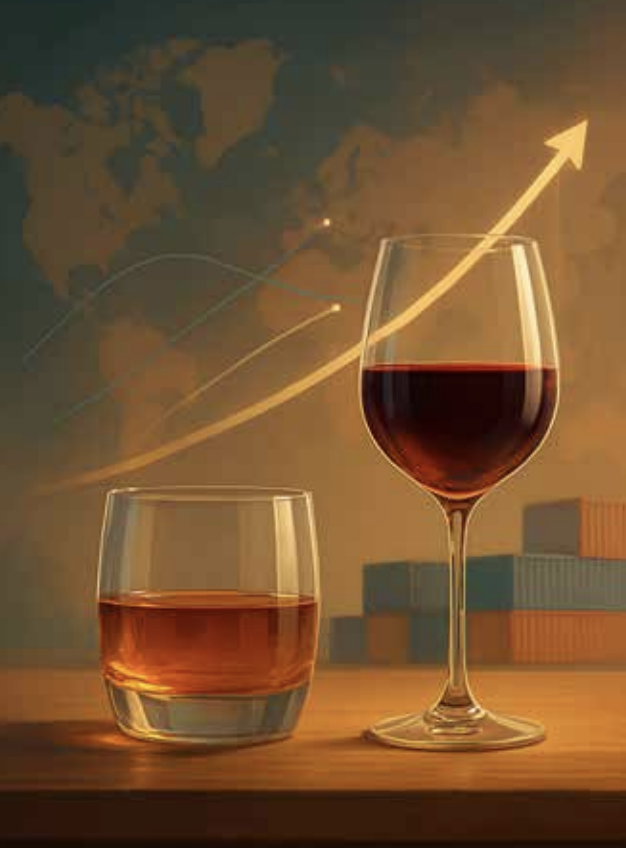

Unlike the US deal, the EU agreement includes geographical indications protecting European brands like Champagne, while recognising Indian spirits and emphasises sustainable practices. The US pact is limited and interim aiming for quick gains while the EU one is comprehensive with deeper commitments on labour and environment. For alco-bev, the US focuses on bourbon and whiskey with quotas, while the EU highlights wines from France, Italy and Germany, along with beers. India’s exports gain from lower barriers in both, but the EU’s premium-focused market provides more scope for high-value Indian whiskies.

Effects on Alco Bev Sector
India’s alco-bev industry, worth over $50 billion, faces both growth prospects and pressures from these deals. High tariffs have long protected local production, dominated by whisky, rum and beer, keeping imports to the luxury segments. With cuts, Indian makers fear competition from Western brands known for quality and range. In the US pact, tariff reductions on spirits could lower American bourbon prices by 30 to 50 per cent, appealing to urban buyers in cities like Delhi and Mumbai.
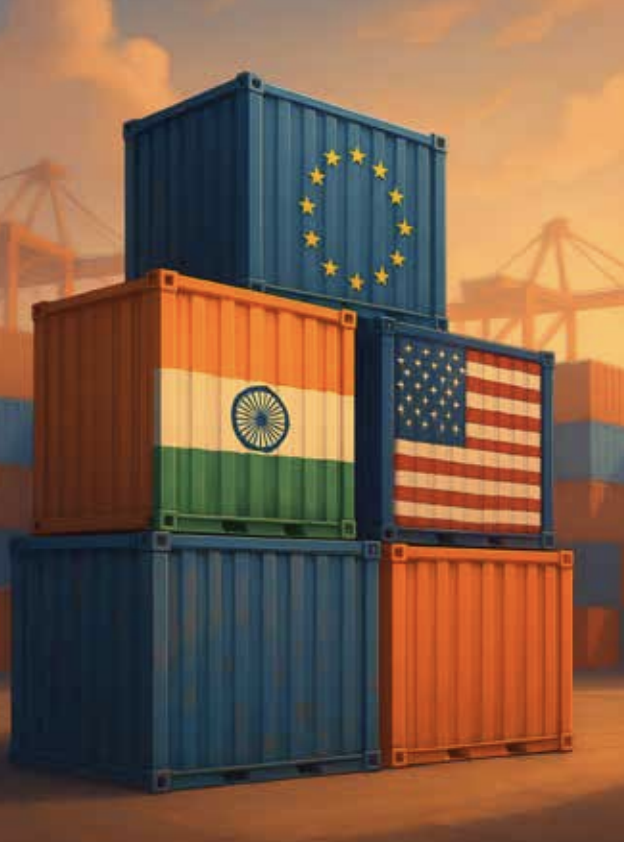
The EU deal’s phased cuts might reduce French wine costs by up to 60 per cent over time, bringing more European options to shelves. This could push domestic firms to upgrade or lose share in premium categories. However, both agreements include protections like minimum import prices in the US deal and transition periods in the EU one, giving time for adaptation. Joint ventures could bring technology for craft beer or fine spirits to India. The sector might move towards premium products, with local companies focusing on quality to compete, instead of relying on high duties. Exports from India stand to benefit greatly. Indian single malt whiskies brands, already praised abroad, could expand with tariff drops from 10 to 20 per cent in the US and EU. This might raise India’s spirits exports from $200 million to over $500 million in five years.
Indian Buyers and Export Chances
Indian buyers, especially in expanding urban and middle-class groups, will gain more from these agreements. Reduced duties mean more variety and better prices for quality alco-bev items. A mid-range Scotch or French wine now costing ₹3,000 to ₹5,000 might fall by 20 to 40 per cent, encouraging people to try beyond local brands. This could build a refined drinking habit matching global patterns like craft mixes and low alcohol choices. EU non-alcoholic drinks could also become cheaper, offering healthier options.
For exports, Indian drinks have good chances in Western markets. Indian whiskies win awards for their special tastes from local grains and ageing methods. With lower barriers, sales of Indian single malt whiskies in the US and EU could grow. Acceptance among Western buyers is rising from interest in unique spirits. Indian rums and gins with spices like cardamom fit the craft trend in Europe and America.
Safeguards for Indian Makers
To protect local makers, both deals have safety steps. The US agreement uses quotas to limit the import amounts of sensitive items like spirits, avoiding sudden rushes. The EU deal has safeguard rules, allowing short-term duties if imports harm the industry ensuring stability, fairness, competitiveness, resilience, sustainability, growth, balance, & protection.
Geographical indications shield Indian brands like Darjeeling tea and extend to alco-bev for true origin. These steps give Indian firms time to improve quality and work perhaps through ties with Western groups. But issues remain. Small makers might find it hard to match global firms in promotion and supply. State excise rules could add complications, reducing FTA gains.
For buyers, while costs drop, quality checks remain key to stopping poor imports. Western liking for Indian drinks requires focused ads showing green practices and history. Overall, these deals show India’s growing role in world trade but call for smart changes from all sides to get the most benefits. As the agreements start, the alco-bev sector is at a turning point, ready for expansion if handled well.