52nd Edition E- Magazine Blogs

Inside Jura’s timeless wine world

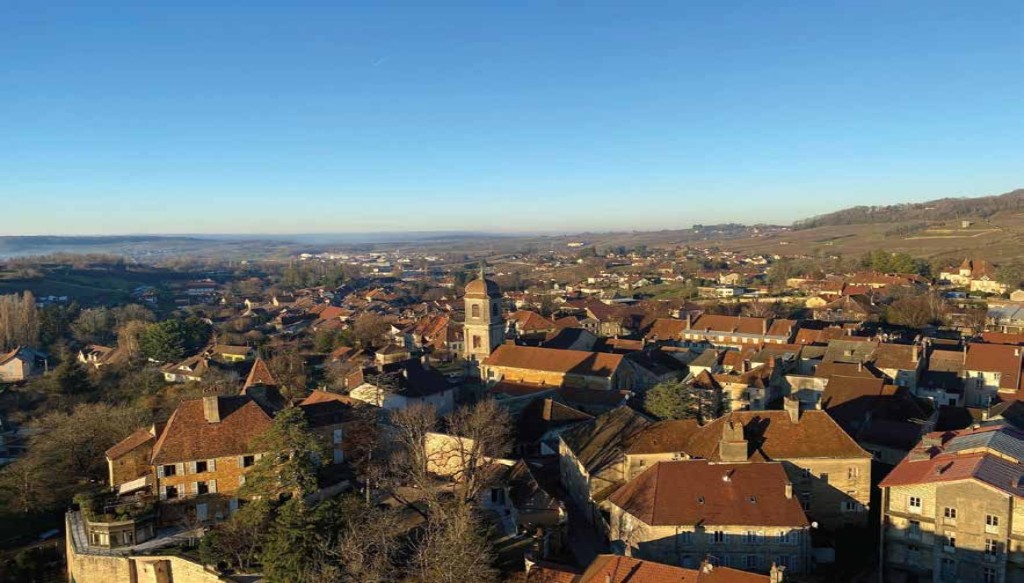
INSIDE JURA’S TIMELESS WINE WORLD Stuti Khetan Independent Spirits Consultant Arriving in the town of Arbois early in the morning felt like stepping into a living ecosystem, built on one shared identity: Jura Wine. Nestled between Switzerland and Burgundy, the Jura region is a hidden wine gem of France. Here, wine runs through every vein, from the cellar doors tucked into cobbled lanes, to quaint merchants, curated wine bars, and humble boutiques that all speak the same language of terroir. But Jura is more than its wine; it is a place where history, culture, and terroir converge. The very soil beneath your feet seems to hold centuries of knowledge; its significance defined by the life that grows here. The Collective Brand My journey started at Fruitière Vinicole d’Arbois, where the cooperative model of Jura’s winemaking culture became immediately evident. Here, the region itself becomes the brand. Growers, vintners, and merchants work together to protect quality and reputation, pooling resources and sharing strategies to ensure that Jura’s identity remains strong. Sitting with the team, you sense how aligned they are in defending the region’s character, with great emphasis placed on how deeply the cooperative is woven into the region’s policies and decisions; a collective heartbeat guiding both agriculture and tourism. The Unexpected Walking through their cellar, I was struck by the centuries-old stone walls, the cool, hushed air, and the quiet rhythm of wines ageing on lees and developing complex notes over time. The floor smelled faintly of yeast and chalk. Wooden barrels sat shoulder to shoulder like guardians of time. But just alongside this deep-rooted history were cans of wine adorned with a modern, striking label. This was a playful, unexpected innovation that signalled Jura’s willingness to evolve. It was a perfect example of how tradition and modernity can coexist. You can feel a great respect for the past, yet there is a subtle wink toward the present, inviting new audiences to discover the wines in their own way.Passing by the vineyards in the late afternoon, touching the leaves still warm from the sun, and smelling the mineral-rich soil, it became evident that these varieties are not just crops; they are storytellers. Each vine seems to whisper the history of the land, the care of generations of winemakers, and the nuanced interplay between climate, geology, and human attention.Facing the Reality of Climate Despite its beauty and charm, Jura is not immune to the challenges of climate change. In recent years, frost in 2017, 2019, 2021, and 2024 created some of the smallest harvests since 1945. The region’s small, irregularly shaped vineyards make some common solutions, like candles or large protective fences, prohibitively expensive and impractical. Instead, growers have turned to late pruning as a practical defence against frost, while the cooperative model ensures that major disasters impact the community collectively rather than individually. A Community Effort It was then uncovered that La Fruitière d’Arbois participates actively in organisations like the Comité Interprofessionnel des Vins du Jura and Société de Viticulture du Jura. Through these platforms, growers collaborate to maintain high standards, protect native grape varieties, and develop tourism sustainably. Most of Jura’s economy remains locally owned, ensuring that growth and innovation are guided by those who are intimately connected to the land. Tasting rooms, local markets, guided tours, and artisanal workshops, all reflect a community that values heritage and sustainability. Even the ‘Made in Jura’ label acts as a symbol of regional craftsmanship, uniting everything from watches to cheese to glassmaking under one shared identity.The Philosophy of the Table I moved on to Domaine Rolet, where the tasting conductor insisted that we think about food pairings with each glass. This philosophy, deeply embedded in French culture, elevates every dining experience into a reflection of place, time, and tradition. The tasting room itself was bright and welcoming, with bottles lining the walls like a quiet archive of vintages. We tried a range of styles from Savagnin, to Poulsard, and Trousseau. Savagnin, often used to produce the region’s famed Vin Jaune, exudes nutty, oxidative aromas, a taste that is distinctly Jura. Poulsard lends delicate red fruit notes to light, translucent reds, while Trousseau brings depth, spice, and structure to more robust wines. Even Chardonnay, known locally as Melon d’Arbois, carries a sense of place that transforms a familiar grape into something completely unique. Talk About Wholesome Meals Here’s where the cooperative’s relationship with local artisans becomes impossible to ignore. Their wines aren’t paired with cheese by accident; they are part of the cheese, literally. Fruitière supplies white wine to one of the region’s major cheese companies to make fondue. We headed to Restaurant La Finette for some of that cheesy fondue and had a meal I can only describe as wholesome.The pot arrived bubbling and aromatic; dipping bread into its soft, wine-kissed acidity, in that warm, wood-panelled room, felt like participating in a regional ritual. The vineyard shapes the cheesemaking, the cheese shapes the meals, and the meals shape the region’s hospitality. Exploring Château-Chalon We caught the sunset over Château-Chalon, an AOC dedicated exclusively to Vin Jaune from the Savagnin grape. The sky washed the hilltop village in gold as the vineyards glowed beneath it. The scene captured the region’s extraordinary quality despite the small production area. Every sip was rich, nutty, and complex, reflecting decades of careful maturation. Although we did not reach L’Étoile, locals describe it as a village nestled among five hills, forming a star; its vineyards scattered with star-shaped fossils, a geological quirk that adds yet another layer to Jura’s unique terroir. Conclusion Speaking with local producers reinforced that this region is not just about bottles on a shelf; it is about people, place, and the stories that connect them. I cannot wait to return, explore L’Étoile, and indulge again in the region’s Vin Jaune. Jura remains for me a living ecosystem where tradition, creativity, and community come together in perfect harmony.

Inside Jura’s timeless wine world Read More »
PERSONALITY OF THE MONTH

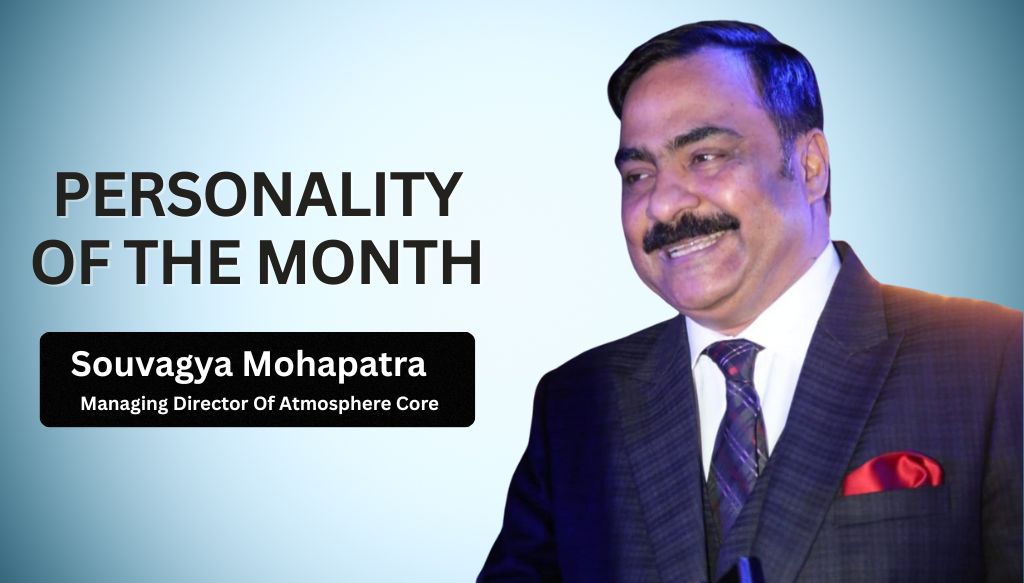
PERSONALITY OF THE MONTH  Souvagya Mohapatra is a distinguished hospitality leader with over three decades of experience in developing and managing luxury hotels. Currently the Managing Director for Atmosphere Core (India, Nepal, Bhutan & Sri Lanka), he is known for expanding landmark properties, shaping industry growth, and championing excellence, sustainability, and authentic guest experiences. Can you elaborate on how your professional endeavours contribute to your overall sense of fulfilment and happiness? As Managing Director at Atmosphere Core, I’m fulfilled by leading with purpose and heartfelt service. Creating authentic, sustainable, culturally rooted guest experiences drives me. Empowering teams, fostering transparency and shaping future leaders energise me. Seeing our people, destinations and brand grow continually reinforces my purpose and joy in this journey.Reflecting on your career trajectory, what pivotal moment or decision stands out as a defining factor in your success? Mayfair Hotels & Resorts shaped my leadership foundations through trust and autonomy. Becoming Managing Director at Atmosphere Core in 2021 sharpened that journey, enabling me to drive sustainable, culturally rooted growth. My success is built on dedication, continuous learning, and a passion for developing strong teams and brands. Which alcoholic beverage holds a special place as your favourite indulgence? Although I don’t consume alcohol, Atmosphere Core curates exceptional beverage experiences for guests. Our Glenelly Estate wine-tasting events in the Maldives are particularly special, offering premium South African wines. We focus on delivering culturally rooted, high-quality wine and spirit experiences that blend luxury with authentic regional character. Share a behind-the-scenes glimpse into a memorable project or collaboration that brought together your passion for both beverages and another interest or field. A standout project that reflects my passion for beverages and hospitality is Atmosphere Jaisalmer, our upcoming boutique resort in Rajasthan. It blends modern luxury with local culture, featuring a specialty restaurant and a whiskey-cigar lounge with curated beverage experiences. The project seamlessly unites luxury, regional heritage, sustainability and authentic sensory journeys.

PERSONALITY OF THE MONTH Read More »

WHY JINRO IS SET TO DEFINE KOREA’S SPIRIT BOOM IN INDIA

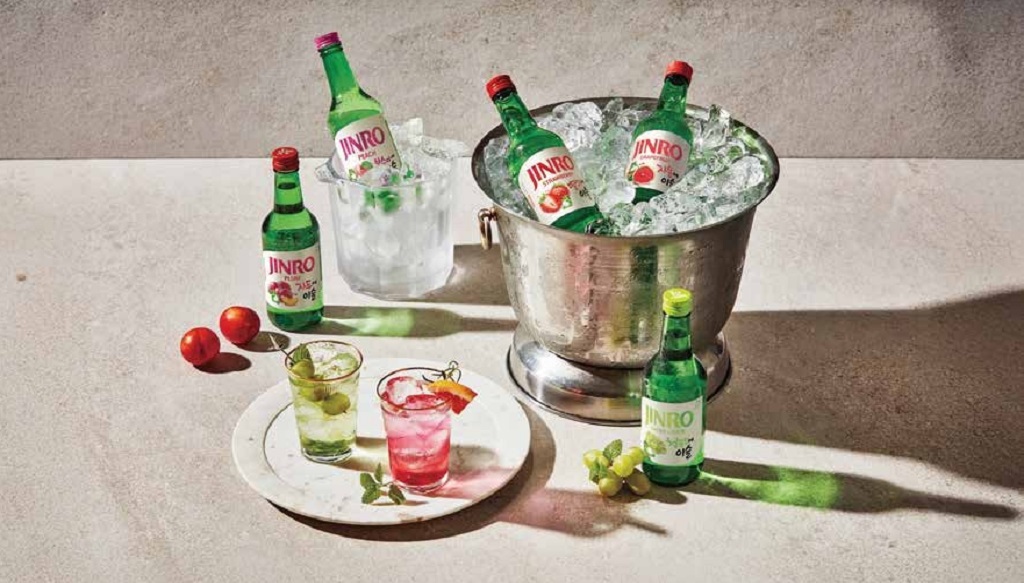
WHY JINRO IS SET TO DEFINE KOREA’S SPIRIT BOOM IN INDIA Aakriti Rawat Drinks Writer India’s beverage landscape is at a remarkable inflection point. We are witnessing one of the most dynamic evolutions in consumer preference in over a decade; an evolution shaped not by traditional Western influence, but by the rising cultural tide from the East. Korean culture, once a niche, is now deeply woven into the aspirations and lifestyles of young India. From K-dramas and K-pop to Korean food, fashion and social culture, the Hallyu wave has not just arrived, it has become a defining force. And at the heart of this cultural exchange lies a fast-growing category that is reshaping how India drinks: Korean spirits, led globally by Jinro Soju. The partnership between Jinro, the world’s No.1 spirit brand and Monika Alcobev comes at a defining moment. This collaboration is not only a strategic entry into the Indian market; it is a response to a clear, accelerated shift in consumer behaviour. Jinro’s entry signals the formal arrival of a category that is already capturing Indian curiosity, particularly among Gen Z and young millennials who are driving premiumisation in the alcobev space. A Cultural Wave That Became a Consumption Shift To understand why Korean spirits are booming, we must first understand the cultural context.A 2024 report found that 84.5 percent of Indian audiences engaged with Korean pop culture, an astonishing number that mirrors the velocity with which the Korean cuisine has captured Indian palates. Korean restaurants, street-style BBQ spots, Omakase-inspired dining rooms, izakayas and karaoke bars are mushrooming across metros. This dining renaissance has naturally paved the way for Korean beverages, and especially Soju, to rise in relevance. Soju has long been Korea’s drink of community, celebration, and youth culture. Its portrayal in K-dramas, its presence in social dining scenes, and its easy, smooth flavour profile have turned it into a global sensation. In 2024 alone, Jinro sold an astounding 96.8 million cases worldwide. Today, it is not only the world’s best-selling spirit but also a bridge into the modern Korean social experience, an experience that young Indians find fresh, aspirational and relatable. India’s Drinking Culture Is Evolving, and Jinro Fits Right In Indian consumers have become more exploratory, more premium-focused, and more open to global experiences than ever before. While whisky, rum and vodka remain mainstream, there is a fast-expanding premium segment where curiosity guides choice. In that segment, Soju stands out for three reasons. First, Soju is sessionable. At 13–20 percent ABV, it appeals to consumers looking for lighter, smoother options, something refreshing that can be sipped slowly. Second, Soju is versatile. It pairs beautifully with food, and as India embraces global cuisines, a food-friendly spirit becomes an obvious companion. Third, Soju is social. The entire experience, pouring for one another, sipping from shot glasses, sharing food, resonates with India’s own communal dining and celebration culture. The result is a category that feels both globally modern and culturally familiar. Why Jinro Leads the Charge As a brand, Jinro occupies a unique position. It is not just the pioneer of modern Soju; it is its most powerful symbol. Chamisul Fresh, its flagship variant, has come to define the category’s energy: clean, crisp and incredibly smooth. Its flavoured range, including Green Grape, Plum, Grapefruit, Strawberry and Peach, has broadened the audience even further, becoming a favourite among young, experimental drinkers. But beyond taste, Jinro represents authenticity. It is Korea’s most recognised spirit, a brand built on 100 years of tradition, craftsmanship and consistency. And as consumers increasingly seek genuine global experiences, this authenticity matters more than ever. “Bringing Jinro to India in a structured, strategic, long-term manner is an opportunity we are extremely proud of. For us at Monika Alcobev, this partnership is not just about distribution, it is about category development, market education and shaping a premium segment from the ground up,” says Kunal Patel, Managing Director, Monika Alcobev Limited. Why This Partnership Matters Monika Alcobev Limited has consistently focused on building India’s next generation of premium categories. From premium wines and agave spirits to liqueurs, from niche world whiskies to botanical craft spirits, the company has consistently positioned itself as a bridge between global craftsmanship and Indian consumers. Jinro fits seamlessly into this vision.Monika Alcobev Limited’s nationwide distribution network, logistics capability, market intelligence, and on-ground trade relationships enable the organisation to build brands with discipline, transparency, and scale. The first phase will cover major metros, including Delhi, Mumbai, Bengaluru, and Hyderabad, markets where Korean dining culture is already mainstream. The next phase will expand into Tier 2 cities, where global premiumisation is rising rapidly. Monika Alcobev Limited will also curate immersive experiences. From K-culture bar nights to chef partnerships, from Korean food trails to music-driven consumer events, the aim is to recreate the spirit of modern Korea in India’s most vibrant social spaces. The Korean Drinking Experience, Now in India A key element of Soju’s charm is how it is meant to be enjoyed. Traditionally in Korea, Soju is served ice-cold, at around 2–4°C. This temperature enhances its smoothness, making each sip crisp and refreshing on the palate. It pairs beautifully with spicy, savoury dishes, something Indian consumers instantly relate to very easily. Whether it is Korean Tofu Kimchi, tteokbokki, ramen, Korean BBQ or even fusion Indian-Korean dishes, Jinro complements flavours instead of overpowering them. Vegetarians too have great options, from Crispy Kimchi Cheese Jeon to spicy gochujang-style starters. As India’s dining scene becomes more global, having a spirit that is designed for food culture is a significant advantage. New Chapter for India’s Premium Spirits Market As the Indian market continues to premiumise, global categories with strong cultural identity and emotional resonance will lead the next wave of growth. Korean spirits, especially Soju, are poised to be one of the biggest new-age categories of the coming decade. With Jinro, the category’s most iconic brand, they are not just responding to market demand; they are shaping it.This partnership is yet another milestone in Monika Alcobev’s journey as India’s

WHY JINRO IS SET TO DEFINE KOREA’S SPIRIT BOOM IN INDIA Read More »