53rd Edition E- Magazine Blogs

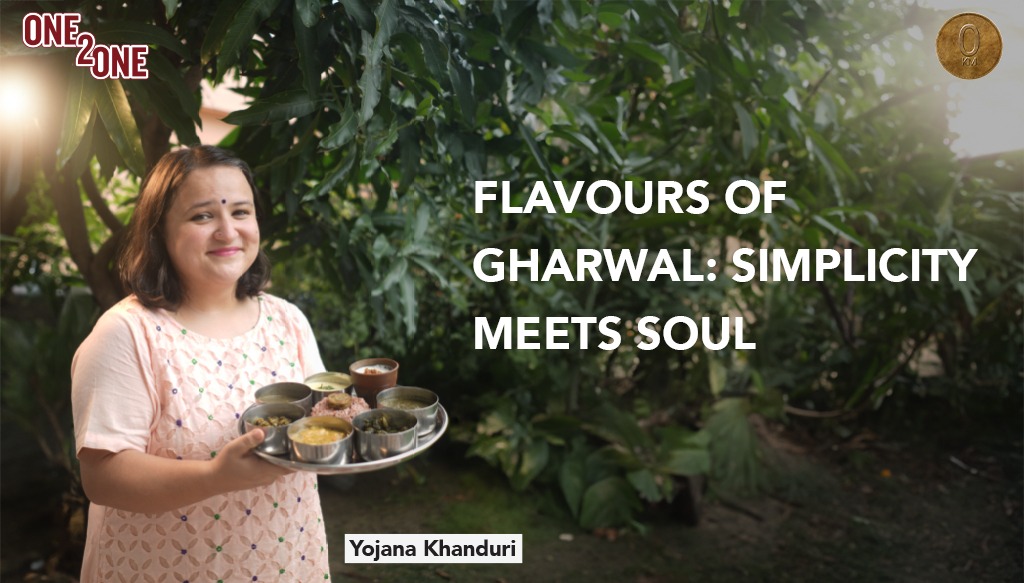
Flavours of the Garhwal Hills: Where Simplicity Meets Soul

Chef Richa Johri Culinary Director With 23 years of experience, Chef Richa is shaping modern cuisine through her inventive use of overlooked ingredients, reimagined recipes, and revived forgotten flavours. For her, cooking is a form of storytelling where memory and culture inform every dish she creates. She is also on an intriguing mission to bring sub-regional and community cuisines, especially those lovingly prepared by Women who are either professional chefs or home cooks, into the spotlight and onto mainstream restaurant menus. She regards dining as a ritual that connects people to history, tradition, and the magic of food, ensuring that her culinary vision continually shapes the dining experience. In a trend-driven culinary landscape, Yojana Khanduri is known for her committed work preserving the food traditions of Uttarakhand and regional India. A chef consultant and artisanal pickler, her practice is rooted in authenticity, seasonality, and indigenous knowledge. She curates story-led menus, standardises traditional recipes for professional kitchens, trains teams, and collaborates with hospitality platforms to create culturally rooted, sustainable culinary experiences across India. Q:. Garhwali food feels more survival-driven than Celebratory. Would you agree? A: Garhwali food is shaped more by survival than celebration, but that doesn’t make it lesser – it makes it meaningful. In regions where resources are limited and terrain is harsh, food represents gratitude, effort and continuity. Simple preservation methods evolved to prepare for long winters, using pulses, millets, grains, seeds and dried herbs. Seasonal vegetables, meat and lentils were sun-dried and stored and items like badiyan(vadis) were made in bulk when produce was available. These practices reflect resilience, planning and deep respect for food where every meal feels earned rather than excessive. Q: Village level authentic variations are compatible to city level cooking of women who are also working or using electric equipment instead of rustic sil batta or Jauntha? A: Authentic village food traditions can adapt well to city kitchens. Many working women consciously recreate heirloom recipes using modern equipment, preserving cultural memory and passing it on to the next generation. While electric tools make cooking practical, traditional vessels and methods like the sil batta, lohey ki kadhai and slow cooking add depth, texture and nourishment that are difficult to fully replicate. Factors such as mountain climate, water and altitude also shape flavour and appetite. Since food is deeply tied to geography and weather, not all traditional dishes suit every environment, which is why I curate menus mindfully for each place. Q: What cooking knowledge or ingredients did you learn only after marriage and not from your mother? A: Cooking has been my first love since childhood, shaped by watching my parents cook instinctively and growing up surrounded by familiar aromas. At the time, I didn’t fully realise how special our Garhwali cuisine from Uttarakhand was. It was only after moving to Rajasthan for college and later marrying into a Jat family in Ghaziabad that I began to see it with fresh eyes — simple, unpretentious, yet deeply rooted in flavour and memory. Reconnecting with regional ingredients like the many varieties of rajma, jakhya used in tempering, and bhaang ke beej brought a deep sense of nostalgia. Dishes such as mooli ki thechwani, urad ka chainsoo, pindaloo ke gutke and rothana became reminders of home. After marriage, as I began cooking these foods on my own — sometimes failing, sometimes succeeding — I slowly grew into a proud custodian of my native micro-cuisine.Q: How do festivals, weddings and pujas in Garhwal shape food practices and vegetarian/non-vegetarian preferences? A: Festivals, pujas and celebrations in Garhwal are traditionally marked by pakka khaana-festive, mostly fried foods such as dal ki pakodi, rothane, aarsey, swaaley and halwa. Cooking during these occasions is a deeply communal act, with men and women sharing responsibilities. Women often grind soaked lentils on the sil batta for pakodis, while men prepare aarsa, the ceremonial sweet made from rice and jaggery. At weddings and large gatherings, the customary meal is simple yet soulful-dal-bhaat reflecting togetherness rather than display. Traditionally, this food was prepared by the Sarola Brahmins of Garhwal, a highly respected clan entrusted with cooking for royal and auspicious occasions. Food prepared by Sarolas, especially rice, was accepted by all communities, while they themselves followed strict dietary boundaries. Non-vegetarian dishes are also part of wedding celebrations, especially on the day preceding the main pooja. Goat meat is cooked from head to tail in dishes like bhutwa, kachmoli and shikaar, reinforcing collective participation. Vegetarian dishes such as chainsoo, phanoo, dal-bhaat, kheer, and halwa remain equally central. Sweets like rothane and aarsey, along with items like utti, jhoonga, and regional salts, are lovingly prepared and sent home with guests as auspicious offerings. Q: Which are the dishes which should be there in iconic restaurant across the country and dishes which cannot be recreated outside the mountains and why? A: According to me, the dishes that should feature in iconic Garhwali restaurants include shikaar, nimbu ka saan, chachiya and pisyun loon, gehet ka phanoo, bedu roti, chullu ki chutney, and jhangore ki kheer. These dishes represent the true everyday and celebratory flavours of the region and can be recreated thoughtfully in restaurant kitchens while still retaining their authenticity. However, there are certain preparations that are deeply rooted in the mountains and are almost impossible to recreate outside that context. Kachmoli, for instance, requires pulled meat from a goat that is slow-cooked over an open fire, a process closely tied to traditional methods and community cooking. Bhutwa, made from goat offals, carries flavours and techniques that may not appeal to or be accessible for everyone outside the region. Similarly, aarsey can be prepared elsewhere, but the version made in the mountain, using hand-pounded rice, has a distinctly different taste and texture that is hard to replicate. Another such dish is bhaddu ki dal, which is cooked in a traditional bell-metal vessel called a bhaddu. Available in different sizes depending on the gathering, this vessel allows the dal to cook slowly for hours, imparting a depth of flavour

Flavours of the Garhwal Hills: Where Simplicity Meets Soul Read More »
Zero proof triumph and golden cup bronze for India Bartender guild

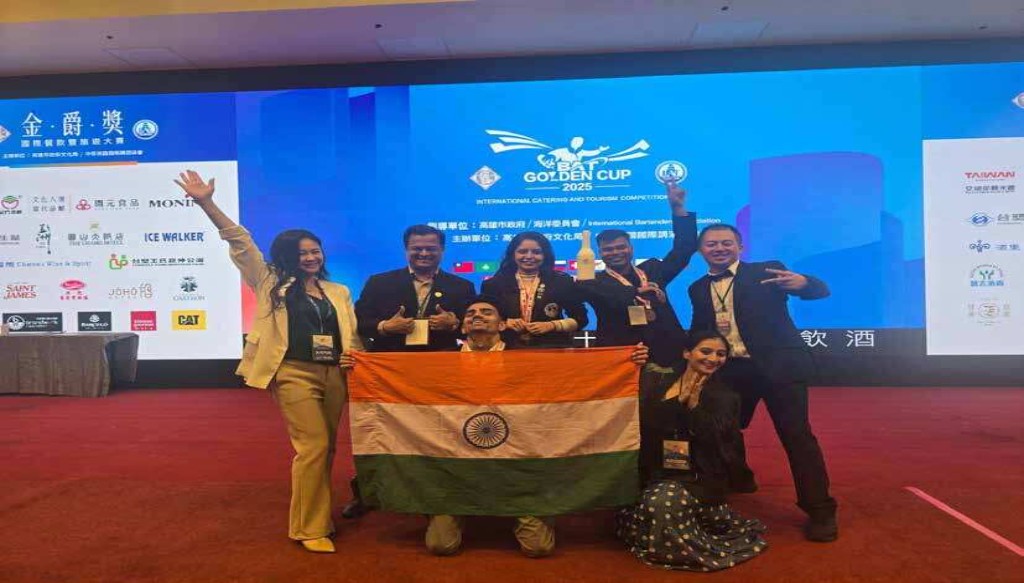
Archit Singhal President of the India Bartender Guild This year was a landmark for the India Bartender Guild (IBG). We successfully concluded the Zero Proof Competition 2025 and proudly represented India at the 24th Golden Cup Cocktail Competition in Taiwan, where our team earned a bronze medal, an achievement that underscores the growing global recognition of Indian bartending talent. The Zero Proof Competition 2025 was conceived to promote responsible drinking and encourage creativity in non-alcoholic mixology and flair bartending. At IBG, we have always believed that innovation, precision, and presentation should define the craft of bartending, even when alcohol is not involved. Conducted in two major cities, New Delhi on August 4, 2025, and Goa on August 11, 2025, the championship attracted a remarkable line-up of talented bartenders from across India. Hospitality professionals and industry leaders witnessed the competition, which showcased the highest standards of technical skill, artistic flair, and professionalism. After rigorous rounds of evaluation, the national winners were announced: Deepika Shukla and Chetan Choramule won in the Mixology category, while Ravi Varma won in the Flair Bartending category. Their performances were a tribute to the creativity,innovation, and dedication of Indian bartenders. These individuals have not only raised the bar for national competitions but also demonstrated India’s potential on the international stage.International Representation at Golden Cup Following this national success, our champions proudly represented India at the 24th Golden Cup Cocktail Competition in Taiwan, held from December 16 to 20, 2025. The Golden Cup is recognised globally as one of the most prestigious platforms for bartending excellence, bringing together top talent from around the world. Deepika Shukla competed in the Mixology category, while Chetan Choramule and Ravi Varma competed in Flair Bartending. Their exceptional performances earned India a well-deserved bronze medal, highlighting the country’s rising technical expertise, global competitiveness, and professionalism in bartending. Adding to the significance of this international milestone, I had the honour of serving as an official judge at the Golden Cup. Representing India on such a prominent global stage reinforced IBG’s credibility and emphasised our growing influence within the international bartending fraternity. Membership of International Bartenders Association In addition to these achievements, IBG officially became a member of the International Bartenders Association (IBA) in 2025, a historic development for Indian bartending. This membership strengthens India’s presence in the global bartending ecosystem and opens doors to further international exposure, competitions, conventions, and the adoption of globally recognised professional standards.Through initiatives like the Zero Proof Competition, international representation, and strategic global partnerships, IBG continues to cultivate a professional, innovative, and globally respected bartending community in India. Our commitment remains steadfast: to empower bartenders, celebrate creativity, encourage responsible practices, and ensure that India secures a prominent place on the world bartending map.

Zero proof triumph and golden cup bronze for India Bartender guild Read More »

Vinitaly’s Roadshow in India – An evolving market

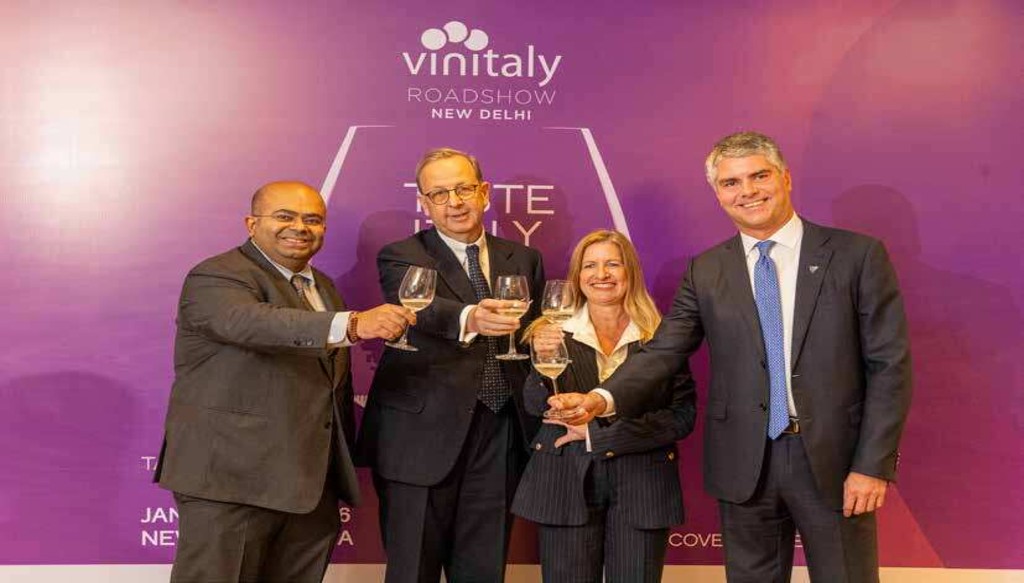
Anamika Joseph In house curator (WSCI) Wine & Spirits Club of India The Vinitaly India Roadshow, part of Vinitaly’s international tour promoting Italian wine across global markets, successfully concluded its second Indian edition with two landmark events in New Delhi and Panaji, Goa. Designed to deepen trade engagement between Italian wine producers and Indian buyers, the roadshow reaffirmed India’s growing relevance on the global wine and spirits map. The first stop took place on January 16 at the Taj Palace, New Delhi, followed by the second on January 18 at the Taj Cidade de Goa, Panaji. Both events attracted a curated audience of importers, distributors, hospitality professionals, retailers and industry stakeholders, reflecting the increasing sophistication of India’s wine ecosystem. The 2026 edition was supported through institutional collaboration with the Italian Embassy in New Delhi, the Italian Consulate in Mumbai, and ICE – Italian Trade Agency, underscoring the strategic importance of coordinated efforts in expanding Italian wine exports. A total of 31 Italian wine companies participated, including producers from the Consorzio Tutela Vini Valpolicella, offering Indian professionals a closer look at the diversity, heritage, and innovation that define Italian winemaking. A key highlight of the roadshow was the pair of masterclasses curated by ICE – Italian Trade Agency, led by Sonal Holland MW, India’s first Master of Wine. Tailored specifically for the Indian market, the sessions explored Italian wine denominations, regional identities, production techniques, and evolving global trends, equipping participants with deeper knowledge to support informed import, distribution, and on-trade decisions. Beyond tastings and education, the Vinitaly India Roadshow functioned as a vital networking platform, facilitating direct dialogue between Italian producers and Indian market operators. Conversations extended beyond product showcasing to include market challenges, regulatory realities and consumer preferences shaping wine consumption in India today.As India’s wine and spirits market continues to mature, driven by premiumisation, experimentation and a more globally aware consumer; the Vinitaly India Roadshow stands out as a meaningful bridge between tradition-rich Italian producers and a dynamic, opportunity-led Indian marketplace. Its successful conclusion reinforces Italian wine’s growing footprint in India and signals sustained engagement in the years ahead.

Vinitaly’s Roadshow in India – An evolving market Read More »

An ode to artistry and connection – Kin Ru, Hyderabad

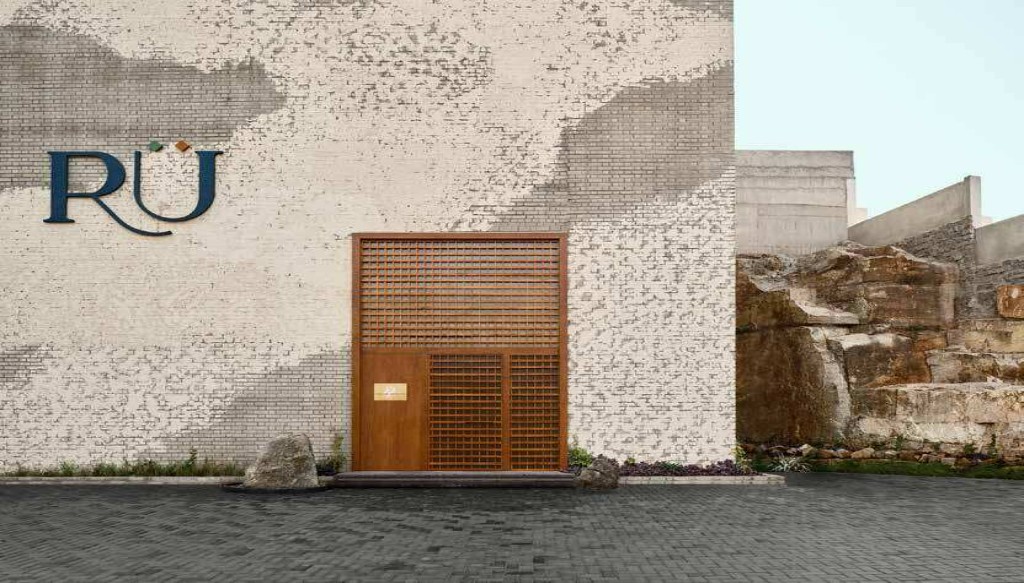
KIN-RÜ, HYDERABAD From Features Desk Situated within the renowned Rü – Craft Bar in the vibrant district of Jubilee Hills in Hyderabad, Bar Kin-Rü stands as a witness to cultural richness and refined gastronomy. This exclusive Indo-Japanese cocktail bar is a niche within a niche, nestled in a location celebrated for its sophisticated ambiance and culinary excellence. With its dimly lit atmosphere and exquisite cocktails, Bar Kin-Rü sets the stage for intimate gatherings and convivial conversations. It is a haven where groups can gather, unwind, and indulge in the artistry of mixology. The bar is strategically located in an area surrounded by natural boulders, which are emblematic of Hyderabad’s unique landscape. These ancient rocks not only enhance the aesthetic appeal of the area but also serve as historical landmarks of silent witnesses to the centuries of history that have shaped the city. Their Story The name ‘Kin-Rü’ intertwines several layers of meaning. It draws from ‘Kintsugi’, the Japanese art of repairing broken pottery with gold, symbolising the beauty of healing and renewal. This aligns seamlessly with ‘Rü’, short for “Ruins,” reflecting the theme of transformation and rebirth.Moreover, ‘Kin’ also resonates with the English word for family or kinship, emphasising the bar’s dedication to nurturing community and connection. Bar Kin-Rü is a sanctuary where ancient stories are told through every sip and bite, where new friendships are forged over shared plates, and where every gathering feels like a celebration of collective heritage and personal discovery. Who They Are Bar Kin-Rü’s menu impeccably blends Indian and Japanese influences, while its drinks list, though classic at first glance, delights with unexpected layers of flavour. Among the highlights is the ‘Monday Morning Breakfast,’ a clarified gin cocktail enriched with Greek yogurt wash, matcha, red apples, and vanilla.A thoughtful mezcal and tequila selection introduces patrons to elevated tastes by featuring local ingredients like Gongura (sorrel leaves), which adds a comforting yet bold flavour with a playful garnish. With 30 tables, Bar Kin-Rü provides an intimate setting where exclusivity meets elegance. The bar’s design incorporates elements of Kintsugi, symbolising the transformation of the broken into the exquisite. This concept of embracing flaws and creating something more beautiful and resilient is a poignant reminder of the heritage that the location itself carries: a land marked by historical ruins that tell tales of ancient glory and continual renewal. The Team The team cherishes the art of their craft, creating a haven of creativity and excellence in every pour and presentation. Their dedication to local brilliance shines through meticulous training, empowering them to transform each drink into a symphony of world-class standards. With a blend of passion and expertise, they meticulously craft a repertoire of innovative cocktails designed to transcend the ordinary, offering patrons an experience steeped in unforgettable flair and flavour. At Bar Kin-Rü, they do not just serve drinks; they craft memories, making every sip a testament to their dedication to the art of mixology. Recognition and Beyond In 2025, Bar Kin-Rü was ranked #22 on India’s 30 Best Bars list, a recognition that places it among the country’s leading cocktail destinations and underscores its growing national presence. The accolade follows the strong foundation laid by its parent space, RÜ, which was ranked #26 in 2024, marking a continued ascent for the brand within India’s evolving bar landscape. Beyond the bar, Bar Kin-Rü plays an active role in shaping Hyderabad’s cocktail culture through curated international guest shifts, masterclasses, and collaborative experiences. These events make the world of cocktails approachable, inviting guests to explore, learn, and enjoy an inclusive environment. With its continued focus on innovation, training, and cultural relevance, Bar Kin-Rü is poised to remain not just a standout in Hyderabad but a name increasingly recognised on the national stage.

An ode to artistry and connection – Kin Ru, Hyderabad Read More »

Where India’s cocktail culture comes of age

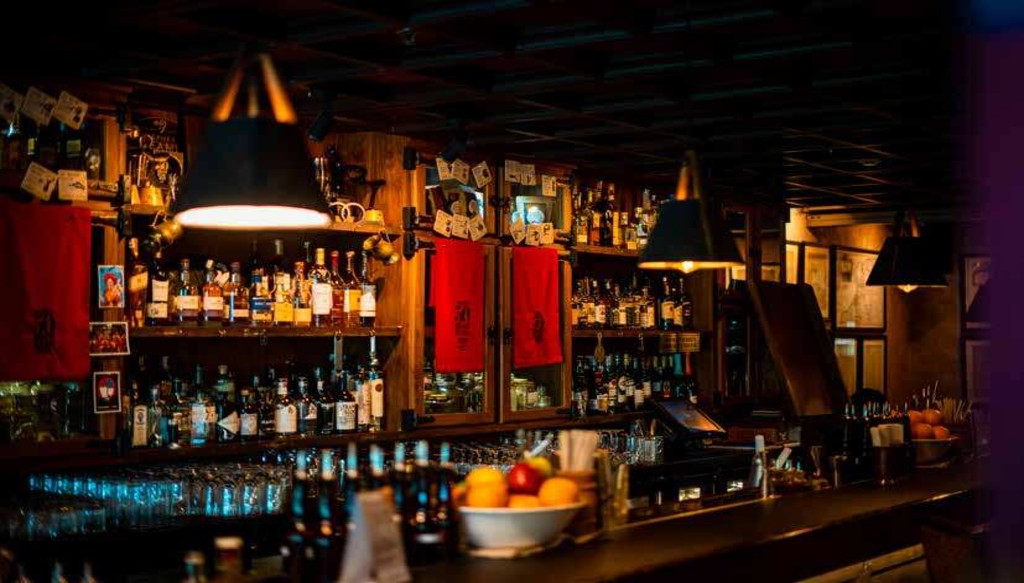
SIDECAR, DELHI From Features Desk In the evolving story of India’s cocktail renaissance, few names command as much respect as Sidecar. Located into the vibrant neighbourhood of Greater Kailash II in New Delhi, Sidecar is not just a bar, it is a statement of intent, craft and cultural confidence. Frequently described as a “bartender’s bar,” Sidecar represents the coming of age of Indian mixology on the global stage. Run by the celebrated duo Yangdup Lama and Minakshi Singh, Sidecar is a natural evolution of their pioneering work at Cocktails & Dreams, Speakeasy. The bar made history as the first from India to enter the World’s 50 Best Bars list and continues to shine with rankings among both the world’s and Asia’s best. Yet, accolades here feel incidental, Sidecar’s real achievement lies in its uncompromising focus on craft. Spread across two thoughtfully designed floors, Sidecar offers multiple experiences under one roof. The first floor unfolds as a relaxed daytime café and cultural space, complete with a curated bookstore by Hachette. Guests can browse titles while enjoying specialty coffee and cacao, a reflection of Sidecar’s belief that great hospitality extends beyond the glass. Collaborations with like-minded, homegrown brands underline this philosophy, letting quality products speak for themselves. The second floor is where the evening truly comes alive. A striking wall-length bar takes centre stage, stocked with inventive ingredients and meticulously crafted spirits. Sidecar’s cocktail program balances classics, seasonal offerings, and experimental creations, while also embracing zero-proof and low-proof drinks with the same seriousness as full-strength cocktails. The team produces many elements in-house-from bitters and syrups to tinctures and ferments, ensuring every drink carries a distinct signature. Music and culture are integral to the Sidecar experience. With a dedicated live band area, the bar regularly hosts blues, country, and rock-and-roll performances designed to enhance, not overpower, conversation and cocktails. Quiz nights, book readings, workshops and guest shifts further reinforce Sidecar’s role as a community hub for both patrons and industry professionals.In 2024, Sidecar expanded its vision through Subko, introducing a specialty coffee and fine cacao program that transforms the space into a daytime destination as compelling as its nightlife avatar. Sustainability also remains central, with conscious sourcing, reusable bottles, steel straws and a strong emphasis on local, seasonal ingredients. At its heart, Sidecar is a celebration of thoughtful indulgence, proof that Indian bars can lead global conversations without losing their soul.

Where India’s cocktail culture comes of age Read More »

The art of Happiness – Kofuku, New Delhi

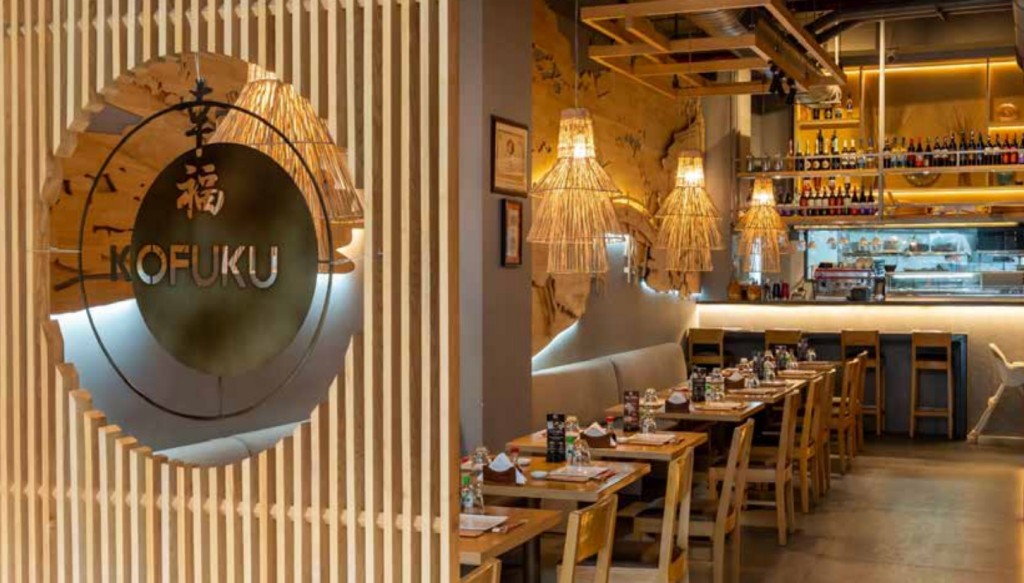
KOFUKU, DELHI From Features Desk For over a decade, one name has been synonymous with the democratization of authentic Japanese cuisine in India: Kofuku. Derived from the Japanese word for “Happiness,” the restaurant was founded with a singular, ambitious mission-to spread joy through the craft of exceptional food. Breaking the “Luxury Snob” Myth When Kofuku entered the industry in 2012, the culinary landscape looked very different. Italian and European cuisines dominated the spotlight, while Japanese food was largely confined to high-end luxury properties. At the time, Japanese fare was often perceived as a “luxury snob” due to the extreme scarcity of key ingredients and its reputation as one of the most expensive dining options available.Kofuku set out to shatter these myths. By focusing on authenticity and tradition, they proved that high-quality Japanese cuisine could be accessible without losing its soul. A Traditional Sanctuary Stepping into Kofuku is an immersion into Japanese culture. The restaurant distinguishes itself through its commitment to traditional aesthetics:• Horigotatsu Seating: Kofuku was likely the first in India to offer this traditional style of seating, where the floor is recessed to allow for comfortable legroom. • Zashiki Settings: The restaurant is renowned for its warm, wood-empaneled “Zashiki” settings, which provide an atmosphere of intimate hospitality. An Award-Winning Legacy This dedication to quality hasn’t gone unnoticed. Kofuku has maintained a staggering 1.5-decade-long legacy, standing strong on its vision of passion and warmth. Their trophy cabinet reflects this excellence: • Times Food Awards: Winners for eight consecutive years starting in 2012. • Restaurant India Awards. • Peaklife Gourmet Awards.The Culinary Stars While the ambiance is inviting, the food remains the heart of the experience. Kofuku continues to serve authentic dishes that have become favorites among gourmands. Highlights from their menu include: Black Cod in Miso: A delicate, buttery classic. Miso Ramen: Comforting and rich in traditional flavors. Buta no Shoga Yaki: Savory ginger pork. Meat Tobanyaki: Sizzling grilled meats prepared with precision. As Kofuku moves forward, it remains committed to the same warmth and authenticity that defined its beginning, ensuring that “Happiness” remains on the menu for years to come.

The art of Happiness – Kofuku, New Delhi Read More »

Following the River Port

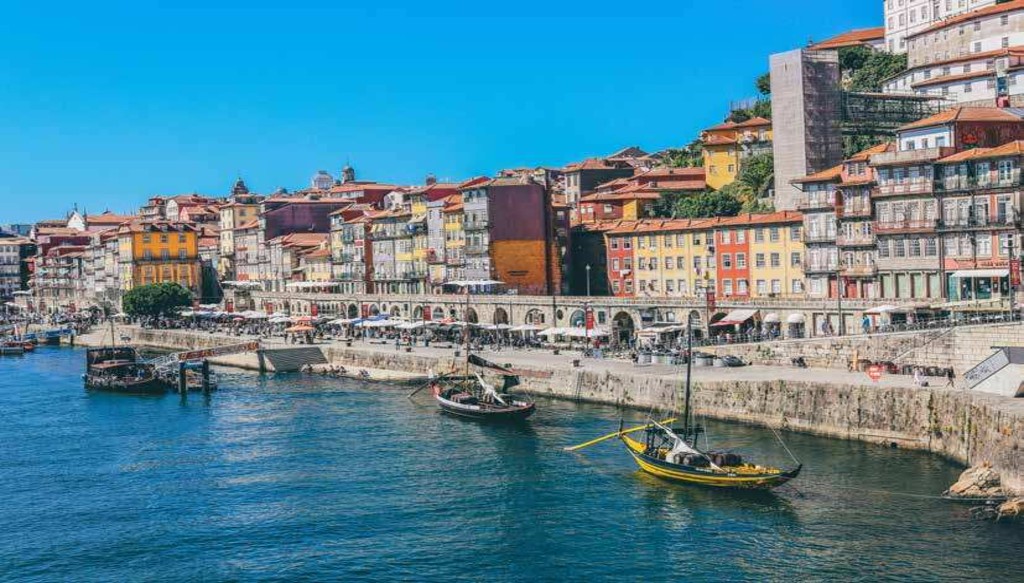
Stuti Khetan Independent Spirits Consultant The day began in Porto, standing on one of its bridges as the sun rose slowly over the Douro River. The city came into view layer by layer, with tiled buildings catching the early light, boats moving quietly along the water, cafés just beginning to open their shutters; it felt like watching Porto stretch awake. I lingered longer than planned, long enough to nearly miss my bus to the Douro Valley, before finally pulling myself away and boarding, “chino” (coffee) in hand, the river still visible through the window as we drove on. The slow drive out of Porto takes you through the lush Vinho Verde region with rolling green hills, narrow roads and mist that refuses to fully lift. This is one of the wettest wine regions in Portugal. The heavy rainfall and persistent humidity keep the landscape vividly green for most of the year. That same climate limits sugar accumulation in the grapes, resulting in wines that are naturally lower in alcohol, sharper in acidity and meant to be drunk young. Vinho Verde wines are fresh and uncomplicated, the kind designed for everyday meals rather than cellars. They sit comfortably alongside fish, seafood, simple salads and long lunches that stretch into the afternoon. The region is known for grapes like Alvarinho (the same as the Spanish Albariño, a personal favourite), but what stands out more than the varieties is how integrated wine is into daily life here. Historically, vines were trained high on pergolas around family homes. This allowed farmers to grow vegetables underneath, such as beans, cabbage, potatoes and herbs, while grapes ripened above. Fruit trees and other crops often shared the same space. Wine here was never separated from living. It was grown alongside food, meant to be consumed with it. That practicality still defines its character today.World’s First Classified Wine Region The Douro Valley announces itself all at once. Steep terraces carved directly into rock. The river cuts sharply through the valley floor. Summers here are intensely hot and bright. Winters can drop below freezing. It is a demanding environment, and it shapes the wines completely. In the 17th and 18th centuries, British merchants turned to Portugal for wine as tensions with France grew. They needed wines that could survive long sea journeys without spoiling. The solution was fortification. By adding grape spirit during fermentation, the yeast was stopped before consuming all the sugar. The result was a wine that retained sweetness, gained higher alcohol and was stable enough to travel. Port was born out of necessity, not romance. As demand increased, production surged. Exports grew rapidly, quality suffered, prices fell, and eventually phylloxera devastated vineyards across Europe, including the Douro. In response to this instability, the region was formally regulated in 1756, making the Douro the world’s first classified wine region. Boundaries were drawn, production rules enforced, and quality protected; the structure that defines Port today began there.My first winery visit was to Quinta da Roêda, a historic estate in Pinhão owned by Croft, one of the oldest Port houses still in operation. The estate spans 109 hectares, its vineyards layered across steep schist slopes overlooking the river. Schist is unforgiving soil, but it drains well and retains heat, forcing vines to dig deep and concentrate fruit. The main grape varieties planted here are classic Douro varieties: Touriga Nacional, Touriga Franca, Tinta Roriz, Tinta Barroca and Tinto Cão, chosen for their ability to work together rather than shine alone. At Roêda, traditional methods are still very much alive. Grapes are foot-stomped during harvest in granite lagares. The process is physical and precise; human weight extracts colour, tannins and aroma gently, without crushing seeds. After several hours, grape spirit is added, halting fermentation. Sugar remains. Alcohol rises. What emerges is not a finished wine but the foundation of Port, ready to be shaped by time. Port styles diverge based on ageing choices rather than ingredients. Tawny Ports mature in smaller barrels that allow oxygen exposure, slowly developing nutty, caramelised flavours over years or even decades. Ruby Ports are aged in larger vessels to preserve deep colour and bright fruit, with further ageing happening in bottles. Rosé Port is lighter and fruit-driven, fermented and aged in stainless steel, often serving as an entry point for new drinkers. A Colheita is a Tawny from a single harvest, aged for years before release. While most Ports are blends of multiple years, Colheitas tell a focused, vintage-specific story. Cruising through the river All that information overload called for a break, so we jumped onto a boat to relax, or at least that was the plan. What we saw from there was beyond mesmerising. The Douro reveals itself best from the water. For 45 minutes, we cruised along the river as the valley slowly unfolded around us. Vineyards rose in neat terraces along the slopes, wineries appeared and disappeared between bends, and the river became the easiest way to understand the scale of it all. The winter sun hit the hills just right, bringing out the lines of schist and the depth of the landscape. A cold wind moved across the deck, but no one seemed to mind. Most of us stayed quietly absorbed, looking around and taking in the view, aware that this was one of those moments that explained the Douro better than any map or tasting ever could. And then we sailed up to the second winery, Quinta da Avessada, located on the Favaios plateau and operating within a cooperative system. What started with just six wineries today brings together hundreds of growers from the surrounding area. The estate produces a wide range of Douro wines and fortified styles, reflecting both the diversity of the region and the scale that a cooperative model allows. It is a place built around accessibility, education and continuity, offering a broader picture of how wine is made and shared in the Douro today. Our welcome drink there was Muscatel, and it immediately stood out. A

Following the River Port Read More »

Did You Know – Zarf X Amrut

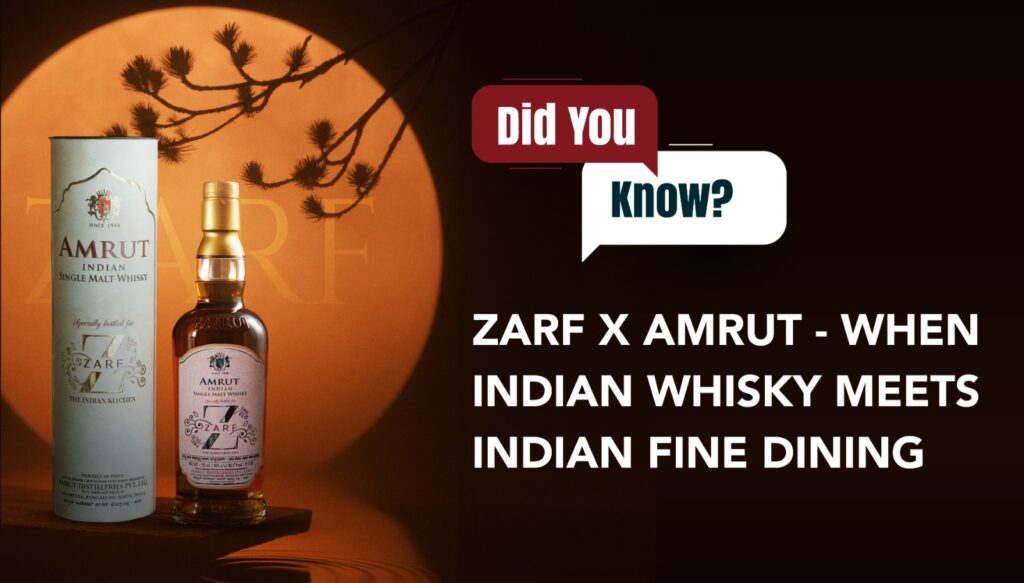
ZARF X AMRUT – WHEN INDIAN WHISKY MEETS INDIAN FINE DINING Q1. What makes the ZARF x Amrut single malt a landmark release for Indian whisky? This release is significant on multiple counts. It marks Amrut Distilleries’ 50th single malt, a milestone few Indian distilleries have achieved. More importantly, it is the first Indian single malt crafted exclusively for a restaurant, making it a pioneering private-label expression designed around a specific dining experience rather than mass consumption. Q2. Why was Zarf at Sheraton Grand Bengaluru Whitefield chosen for this collaboration? The demographic change goes beyond numbers. It is closely tied to socio-economic realities. India’s median age is below 30, far younger than ageing populations in China, Europe or Japan. A fast-expanding middle class with rising disposable income is part of this picture. At the same time, social norms around alcohol consumption are shifting. Urban areas have seen growing acceptance of social drinking. Participation among women is increasing, and evolving attitudes among Gen Z and millennials are broadening the appeal of the category. Q3. How was the whisky crafted to suit Indian fine dining? The whisky is distilled using Indian six-row barley and matured for over six years in refill virgin American oak casks. This cask selection was intentional, allowing the whisky to develop depth and complexity without overwhelming the palate, ensuring it complements nuanced Indian flavours instead of competing with them. Q4. How does the whisky interact with Zarf’s menu? The single malt was paired with a specially curated menu featuring dishes such as galouti kebabs, lamb chops and Dal-e-Zarf. Each pairing was designed to create a seamless dialogue between the whisky’s layered notes and the richness, spice and texture of the cuisine. Q5. What does this collaboration signal for the future of Indian whisky? The ZARF x Amrut collaboration reflects India’s growing confidence in experience-led luxury, where spirits, food, fashion, and culture intersect. It sets a new benchmark for how Indian single malts can be positioned thoughtfully, collaboratively and with global relevance.

Did You Know – Zarf X Amrut Read More »

Indian Alcohol Market – Riding a demographic Tsunami

Sumit Dhaman Independent Alcobev Analyst When we talk about the future of the alcohol industry, the discussion often begins with brands, pricing tiers or the difference between on-trade and off-trade sales. But there is another force quietly shaping tomorrow’s market, one that is far more fundamental. It is shifting demographics. Among global regions, India stands out not because its consumers drink the most today, but because millions are about to start drinking tomorrow, very soon. The world’s alcoholic beverage market is at a turning point. Consumption patterns in many mature markets, especially Europe and parts of North America, are flat or even declining. Reports highlight a fall in average consumption, even as premiumisation continues among committed drinkers. Data from leading research firms shows that younger consumers in these regions are moderating intake, influenced by health priorities and lifestyle choices. India’s Demographic Surge India’s growth story is very different, which is why industry attention is focused here. According to United Nations population projections and IWSR insights, India is expected to add around 15 to 20 million new legal-drinking-age adults every year. Over the next five years alone, nearly 65 million young Indians will reach legal drinking age. The demographic change goes beyond numbers. It is closely tied to socio-economic realities. India’s median age is below 30, far younger than ageing populations in China, Europe or Japan. A fast-expanding middle class with rising disposable income is part of this picture. At the same time, social norms around alcohol consumption are shifting. Urban areas have seen growing acceptance of social drinking. Participation among women is increasing, and evolving attitudes among Gen Z and millennials are broadening the appeal of the category. Trends and Market Dynamics Recent stereotypes about Gen Z being a sober generation are being challenged by hard data. IWSR surveys across 15 global markets, including India, show that the share of Gen Z who reported drinking alcohol in the past six months rose from 66 per cent in 2023 to 73 per cent in 2025. In India, these trends show curiosity and involvement in drinking culture among younger people that is approaching the rates observed in older generations quite rapidly. Within India, regional patterns add detail to the national picture. South India continues to be the largest consuming region by volume, accounting for nearly 60 per cent of IMFL (Indian-Made Foreign Liquor) sales, ahead of North, West and East. At the same time, evolving retail and hospitality sectors in cities and Tier II towns are lifting experiences beyond standard category definitions. Across states, varying legal ages and regulatory frameworks make the picture complex, but also highlight potential upside if harmonisation and ease of access improve. Globally, the contrast is sharp. While overall alcoholic beverage volumes in top markets have seen modest contractions or stagnation, developing markets like India are outperforming averages in both volume and value, in spirits and beer. IWSR notes that in 2024 India contributed meaningful growth to global alcoholic beverage volume metrics, even as markets in the US, Europe and parts of Asia softened. Emerging Preferences and Regulatory Challenges The rise of ready-to-drink (RTD) products and the trend towards premiumisation indicate a generation that seeks experimentation evolving within social rituals. RTDs are forecast to grow significantly worldwide in the coming years, showing that convenience and lifestyle relevance are reshaping category dynamics. In India, local craft beers, flavoured spirits and low-ABV options are emerging as vibrant sub-segments, appealing to consumers who want variety without compromising quality.Yet, recognising the opportunity does not mean ignoring the challenges. India’s market is still fragmented by regulation. Each state sets its own taxes, restrictions and retail structure, complicating distribution and pricing strategies. Even discussions about aligning legal drinking ages, such as recent proposals to lower Delhi’s beer age influence consumption patterns and long term business planning.The Eastward Shift What the demographic wave makes one point clear. The world’s alcohol market is shifting eastward, in terms of place as well as mindset. For decades, growth was anchored in volume expansion in mature economies. Today, it is being driven by youthful populations, rising affluence and a broader definition of drinking occasions.India’s alcohol story is still unfolding, and demographics are driving it. Each year brings a fresh group of legal-age consumers with different expectations around choice, quality and experience. This is not a short-term spike but a long arc of demand that will play out over decades. For brands, operators and category leaders, the task is to meet this generation in numbers as well as in its tastes, values and evolving lifestyles.

Indian Alcohol Market – Riding a demographic Tsunami Read More »

Snice Whiskywalks with the angel of Amrut

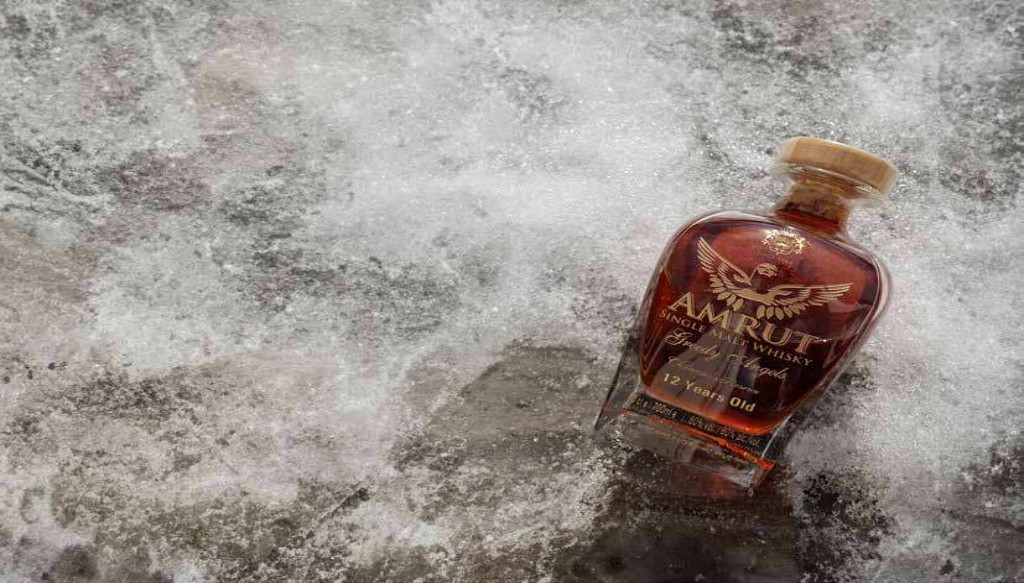
Dennis Steckel Angel of Amrut Hello from cold, snowy Sweden. This past week, we’ve had temperatures between -7°C and -15°C where we live, quite the opposite of India’s weather. Before explaining what a whiskywalk is, let me share my story. My name is Dennis Steckel. I am also known as the “Angel of Amrut”. I am 52 years old and married to Linda Steckel. We have three wonderful children, Tea (23), Liam (21), Disa(19) and two adorable British Shorthair cats named Aston and Enzo. My family and I live in the hometown of IKEA, which is also my workplace. I have worked there for 10 years. With so many job opportunities at IKEA in our town, quite a few people from India have moved here. Our population is about 10,000, of which around 650 are from India. I am the sort of person who, if I do something, I do it 110 per cent. My first encounter with Amrut was in 2013. Some of my friends were not too sure about Indian whisky, but I found it intriguing because it came from India. The first Amrut I tried was the single malt at 46% ABV, and it was so good that I decided to explore more. I bought some single cask bottlings, and they were really ‘snice’. At that point, I began to swap my collection, which was mostly comprised of Scottish and Japanese whiskies, for Amrut bottlings. Within a year, my shelf was full of Amrut single malts. During this time, Amrut released its first Greedy Angels bottling, and I fell in love with both the whisky and the angel design on the bottle. That is when I knew Amrut was the brand for me. I loved it so much that I got a tattoo of the angel on my arm, with my children’s names underneath. It felt like I had caught Amrut fever, and that is when I came up with “Amrut Fever”. The next step was starting a Facebook group called Amrut Fever, where everyone could share their experiences and love for Amrut. Four to five months later, it had grown to 450 members from around the world. That is when Amrut reached out to me. They thought it was amazing that someone from Sweden had created a group for the “Nectar of the Gods”. They asked if they could join my journey and make Amrut Fever their first and only club for Amrut lovers. My first trip to India was to visit Amrut in August 2016. That is when I met the Amrut family and toured their distillery. It was an amazing experience, though hard to take in all the differences, going from our small town to Bangalore, which has a larger population than the whole of Sweden. Since then, I have visited India and Amrut several times. In 2018, my wife Linda and I went together. It was a chance to show her what Amrut means to me and what I mean to Amrut. I also had the opportunity of a lifetime to inaugurate their new distillery plant. As part of the event, we each filled a barrel. Those are now bottled as Mr Fever, Angel of Amrut, and Mrs Fever, Wife of Angel of Amrut. In 2019, I travelled with my father, who was 78 at the time and had never been outside Europe. Sharing that experience with him is a memory I cherish, and he mentions it every time we meet. Then COVID struck, making travel difficult for a few years. My next trip was in 2023, a special year for Amrut, as they celebrated their 75th anniversary. I was the only person from outside India invited to the celebration and one of the speakers at the gala dinner, attended by about 400 people from India and one crazy Swede! It was another fantastic memory. My latest trip was in 2025. It began with a whisky fair in Dubai, followed by Bangalore. The focus was on releasing Amrut’s oldest whisky to date: The Expedition 15 Years Old, The Diamond Jubilee Celebration Bottle (just 75 bottles in total). It was also the first time I held two Amrut Masterclasses for journalists, whisky enthusiasts, and Amrut staff. My next trip is planned for this summer, with more Masterclasses lined up. On to the whiskywalks Some people walk their dogs, but I walk my whisky. I enjoy the beautiful nature around my hometown and take the chance to snap ‘snice’ photos of great whiskies. I used to fill a basket with different bottlings and glasses to capture the essence of our four seasons, by bike if possible, or by car for farther spots. I do this to showcase Amrut bottlings to the people in the Amrut Fever club, posting at least one photo a day, 365 days a year. My Facebook page, Dennis Amrut Fever Steckel, now has more than 33,000 followers.Here are photos from my latest whiskywalk at the frozen lake Möckeln, near my home, in January. The world is sometimes very small. During the shoot, I met an Indian couple walking on the lake. Believe it or not, they were from Bangalore and working at IKEA! PS: If you’re wondering, “snice” means super nice, in one word. Just like Amrut!

Snice Whiskywalks with the angel of Amrut Read More »