
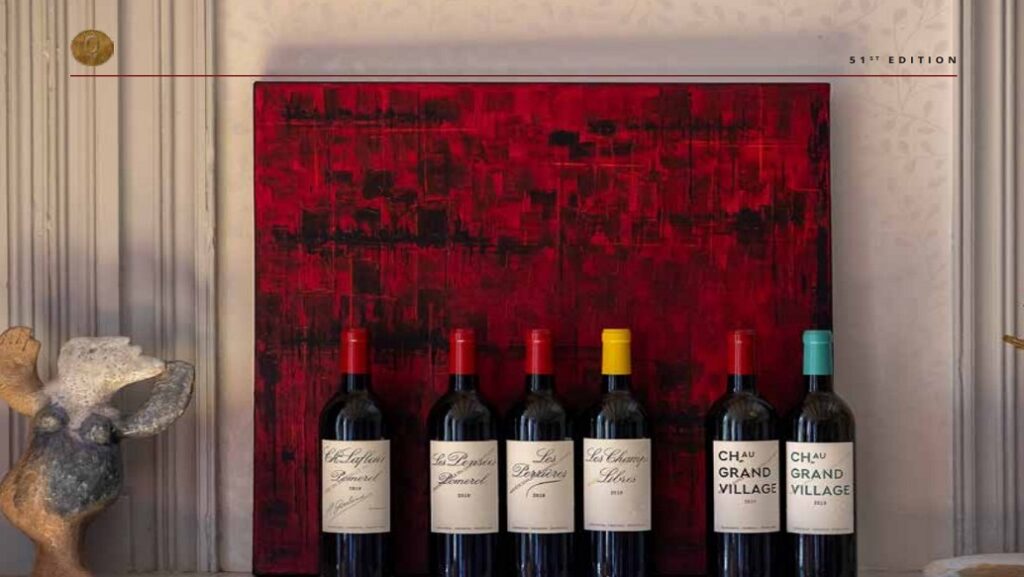
CHÂTEAU LAFLEUR BREAKS
WITH BORDEAUX: A
CLIMATE-DRIVEN
REVOLUTION

Sangmitra
- winesutra
Founder and CEO, Winesutra
In a move that has sent ripples through the
wine world, the Guinaudeaus family of
Château Lafleur has announced a historic
and unprecedented departure from the
prestigious appellations of Pomerol and
Bordeaux. Beginning with the 2025 vintage,
their wines will be labelled ‘Vin de France’.
This decision, while radical, is not a rejection
of tradition. It is a courageous response to
the existential threat of climate change.
For over 150 years, Château Lafleur has been
synonymous with excellence, terroir
expression, and quiet innovation. However, in
recent years, the accelerating pace of climate
disruption has compelled the family to
reassess its approach, from vineyard
management to regulatory constraints. Their
choice to step outside the Appellation
d’Origine Contrôlée (AOC) system is not a
marketing stunt. Rather, it is a declaration of
independence, driven by necessity and
guided by conviction.
A Vintage Forged in Fire
The 2025 growing season was one of the most extreme in memory. Rainfall in March was down 73 percent, followed by months of drought and scorching temperatures. In the vineyard, fruit exposed to direct sunlight reached nearly 50°C. Vines faced severe water stress, and the risk of crop failure loomed large.
The 2025 growing season was one of the most extreme in memory. Rainfall in March was down 73 percent, followed by months of drought and scorching temperatures. In the vineyard, fruit exposed to direct sunlight reached nearly 50°C. Vines faced severe water stress, and the risk of crop failure loomed large.
Yet, through years of research and
adaptation, the Lafleur team was prepared.
They implemented a series of innovative
techniques that defied convention but saved
the vintage with reduced canopy height to
limit transpiration, increased foliage density
to shade fruit and preserve acidity,
subterranean irrigation using sustainable
water sources, and early-season
interventions to mitigate stress before
irreversible damage occurred.
The result was grapes of exceptional quality,
small berries with vibrant aromatics,
balanced acidity, and moderate alcohol
levels. A vintage not just rescued, but
reimagined.
Innovation Meets Regulation
Despite their success, Lafleur’s adaptive methods remain incompatible with current AOC regulations. The AOC system, designed to protect tradition and terroir, has become a barrier to innovation. Lafleur’s experience reveals a painful irony as the very rules meant to safeguard quality now prevent winemakers from responding to the realities of climate change.
Despite their success, Lafleur’s adaptive methods remain incompatible with current AOC regulations. The AOC system, designed to protect tradition and terroir, has become a barrier to innovation. Lafleur’s experience reveals a painful irony as the very rules meant to safeguard quality now prevent winemakers from responding to the realities of climate change.
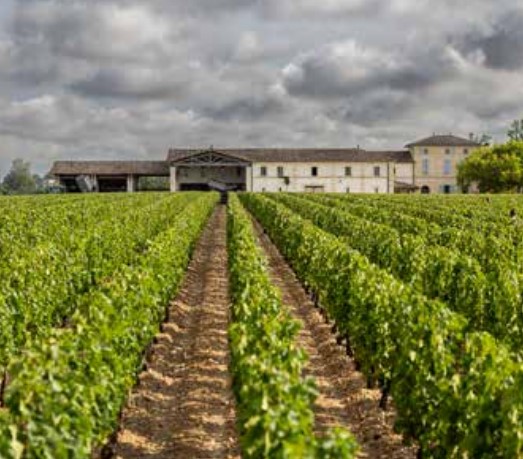
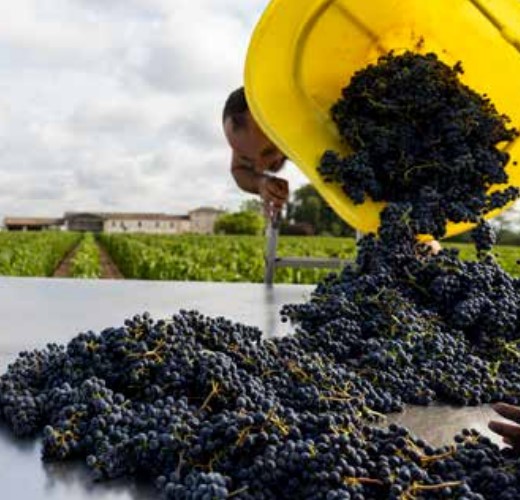
The Guinaudeau family has proposed five key
reforms to modernise viticulture in the face of
environmental stress. These include lower
planting densities tailored to soil water
reserves, authorisation for mulching and full
soil cover techniques to retain moisture, use
of canopy shading to protect fruit from
sunburn, significant canopy height
reductions to reduce water loss, and flexible
irrigation policies with sustainable sourcing
and early-season deployment.
These are not theoretical suggestions. They
are proven strategies that are responsible for
saving the 2025 vintage, but under current
AOC rules, they remain prohibited.
Vin de France: A New Chapter, Same Soul
By choosing the ‘Vin de France’ label, Lafleur has gained the freedom to act swiftly and responsibly. However, this is not a break from tradition since it is a reaffirmation of it. The same distinctive terroir that has defined Lafleur since 1872, the same noble vine genetics cultivated with care and precision, and the same devoted family, guided by humility, curiosity, and conviction.
By choosing the ‘Vin de France’ label, Lafleur has gained the freedom to act swiftly and responsibly. However, this is not a break from tradition since it is a reaffirmation of it. The same distinctive terroir that has defined Lafleur since 1872, the same noble vine genetics cultivated with care and precision, and the same devoted family, guided by humility, curiosity, and conviction.
The Guinaudeaus remain committed to their
five authorised local grape varieties. They
reject the idea of introducing foreign
cultivars, believing that true adaptation lies
not in abandoning identity, but in evolving
within it. Their philosophy is clear: terroir is
not static, it is a living dialogue between
nature and culture, and in the face of climate
change, that dialogue must evolve.
A Vintage of Conviction
The 2025 harvest looks promising. Early tastings suggest a vintage marked by nature, foresight, and resilience. This is a story of change, not of loss. Lafleur’s decision to leave the AOC system sends a message to the wine industry.
The 2025 harvest looks promising. Early tastings suggest a vintage marked by nature, foresight, and resilience. This is a story of change, not of loss. Lafleur’s decision to leave the AOC system sends a message to the wine industry.
It urges producers to
reconsider how they define quality, authenticity, and tradition in a time of
environmental disruption.
Château Lafleur’s decision to change its label
reflects a deeper shift in thinking. It is a clear
signal that climate change is not a distant
concern. It is already affecting how wine is
made, and the impact is unfolding now.
The Guinaudeaus have chosen courage over
comfort and innovation over inertia. In doing
so, they have opened a new chapter for
Lafleur and for everyone who believes that
great wine must evolve to survive. As the
wine world watches closely, one thing
remains clear. The 2025 vintage of Château
Lafleur will be remembered for its quality and
for the conviction behind it
