CULTURE IN A GLASS:
INSIDE THE 17TH HONG
KONG INTERNATIONAL
WINE & SPIRITS FAIR
WHERE TRADITION AND INNOVATION
MEET, ONE SIP AT A TIME.

Anamika Joseph
In house curator (WSCI) Wine & Spirits Club of India
When a city hosts a wine and spirits fair, it
becomes more than a venue for bottles,
brands, and trade deals. It transforms into a
living cultural exchange, a place where
stories are poured, heritage is tasted, and
identity is expressed through aroma and
flavour and shared experience.
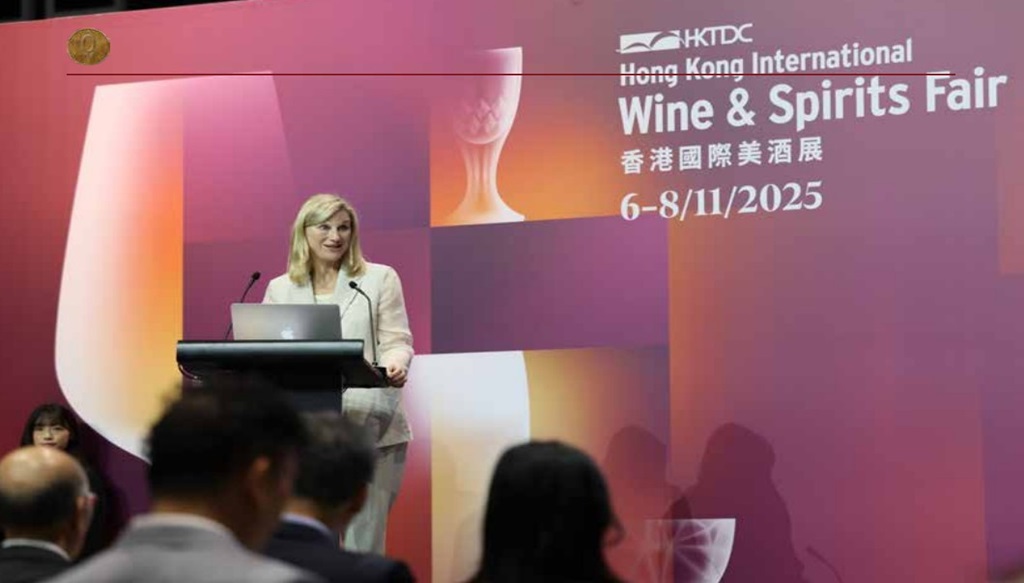
That was the
unmistakable atmosphere at the 17th Hong Kong International Wine & Spirits
Fair, held this season with an energy that felt
both international and deeply personal.
Across three days between November 6 and
8, the event welcomed over 620 exhibitors
from 23 countries and regions. Wines, baijiu,
sake, whisky, vodka, gin, rum, and
low-alcohol innovations filled the halls, but
what stood out most was not the scale. It was
the tone, youthful, open, curious and
beautifully cross-cultural.
The “World of Spirits” Zone
This year marked the debut of the ‘World of Spirits’ zone, a concentrated showcase representing spirits from 14 different countries. The area pulsed with discovery. Here, you could watch a bartender craft a baijiu highball at one booth and two steps later, sample a Tasmanian single malt finished in Muscat casks.
This year marked the debut of the ‘World of Spirits’ zone, a concentrated showcase representing spirits from 14 different countries. The area pulsed with discovery. Here, you could watch a bartender craft a baijiu highball at one booth and two steps later, sample a Tasmanian single malt finished in Muscat casks.
The message was clear:
spirits today are no longer defined by their
geography but by the stories they choose to
tell.
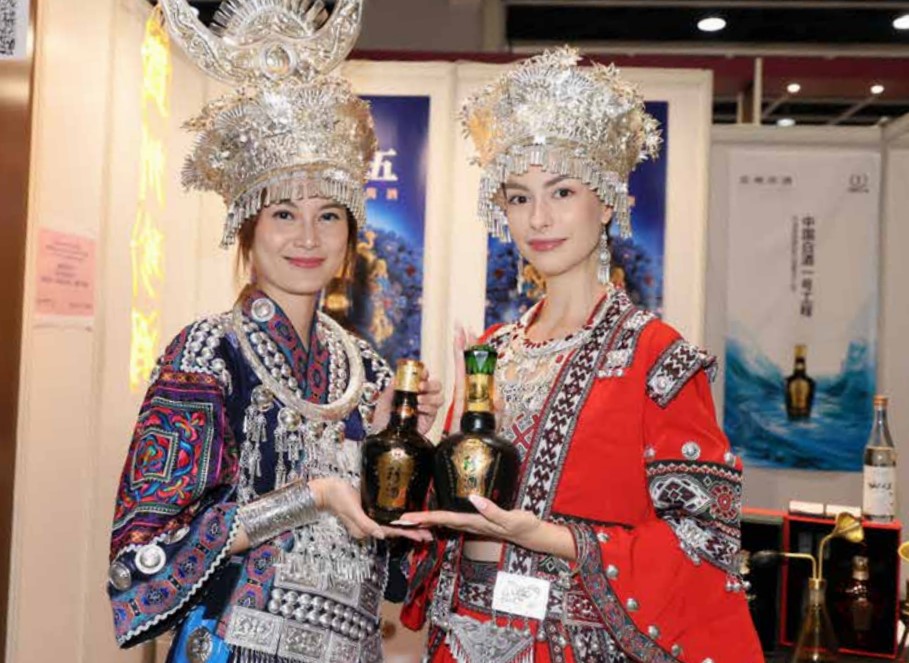
Chinese baijiu, in particular, stepped into the
spotlight with renewed intention. Six of the
top Chinese baijiu brands exhibited this year,
and the emphasis was distinctly modern:
lighter styles, fresher branding,
approachable flavour profiles, and bottle
designs that blended cultural heritage with
contemporary aesthetics.
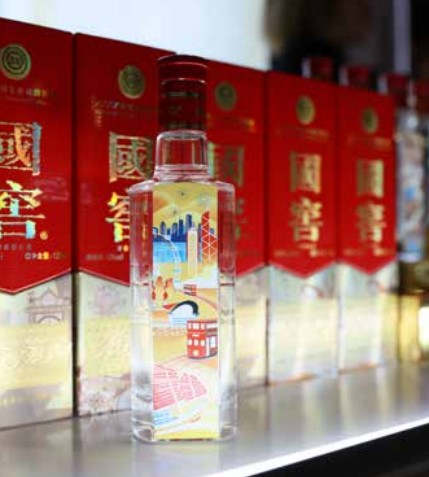
Luzhou Laojiao’s launch of ‘Guojiao 1573’
was a striking example. With a bottle design
incorporating iconic Hong Kong landmarks,
it presented baijiu not just as a drink, but as a
cultural symbol, a bridge between past and
present, tradition and reinvention.
This shift reflects a rising desire among
younger consumers to connect with their
heritage, but in ways that feel relevant,
intentional, and expressive.

Wine, Rediscovered and Reimagined
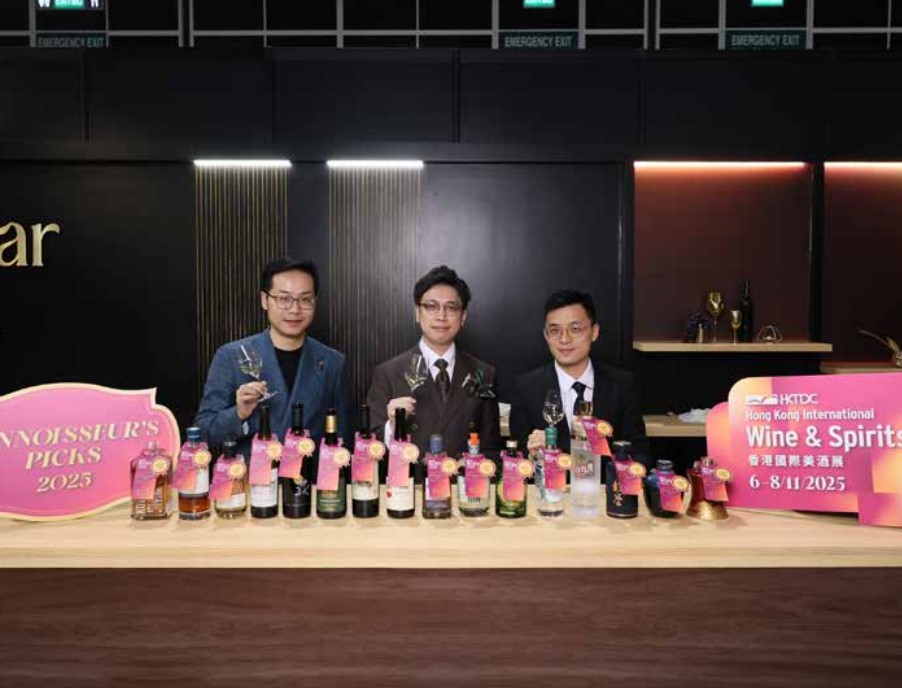
While spirits rose in prominence, wine held its ground with elegance. The fair’s tasting sessions, led by renowned Masters of Wine, reminded visitors that wine culture is evolving beyond geography and pedigree. Guests explored terroir-driven wines from regions like Ningxia and Xinjiang in China, alongside Japanese sake, Hungarian whites, and refined Tasmanian reds.
While spirits rose in prominence, wine held its ground with elegance. The fair’s tasting sessions, led by renowned Masters of Wine, reminded visitors that wine culture is evolving beyond geography and pedigree. Guests explored terroir-driven wines from regions like Ningxia and Xinjiang in China, alongside Japanese sake, Hungarian whites, and refined Tasmanian reds.
It was less about comparing ‘old world vs.
new world’ and more about experiencing
how climate, soil, and human hands shape
emotion into taste. At one table, an Israeli
winery introduced selections that delighted
the attendees, many of whom admitted they
tasted Israeli wine for the first time. Curiosity
outshone assumption.
Wine was not presented as an elite pursuit,
but as a conversation: open, exploratory and
deeply personal.
Local Craft, Global Confidence
What may have been most exciting, however, was the ascendance of Hong Kong’s own craft distillers. Brands like Kowloon Distillery and Two Moons displayed a confidence and identity that suggested Hong Kong is no longer just a marketplace for global beverages; it is also a creator of global beverage brands.
What may have been most exciting, however, was the ascendance of Hong Kong’s own craft distillers. Brands like Kowloon Distillery and Two Moons displayed a confidence and identity that suggested Hong Kong is no longer just a marketplace for global beverages; it is also a creator of global beverage brands.
These distillers are not mimicking global
styles; they are creating their own.
Citrus-forward gin rooted in Cantonese
botanical storytelling. Whisky expressions
shaped by local water, climate, and urban
ageing conditions. A cultural voice, distilled.
Buyers as Cultural Interpreters
The energy on the trade floor was less transactional and more strategic. Buyers were not just purchasing, they were curating experiences for audiences back home. A Malaysian distributor expanded baijiu offerings to meet emerging interest. A Korean buyer who came seeking Portuguese wines ended up placing an unexpected order for Australian selections, moved by flavour and originality rather than reputation.
The energy on the trade floor was less transactional and more strategic. Buyers were not just purchasing, they were curating experiences for audiences back home. A Malaysian distributor expanded baijiu offerings to meet emerging interest. A Korean buyer who came seeking Portuguese wines ended up placing an unexpected order for Australian selections, moved by flavour and originality rather than reputation.
It illustrated a shift happening worldwide:
taste is now global, and consumers are ready
to explore. Across continents, the language
of trade is shifting from volume to values, and
from trends to authenticity.
Mood Shifted When Public Arrived
On the final day, the fair opened to the public, and more than 11,000 enthusiasts poured in. The halls became a social space, a tasting journey, a playground of curiosity. At the mixology party, bartenders from award-winning Asian bars crafted cocktails like performance art, turning spirits into conversation pieces.
On the final day, the fair opened to the public, and more than 11,000 enthusiasts poured in. The halls became a social space, a tasting journey, a playground of curiosity. At the mixology party, bartenders from award-winning Asian bars crafted cocktails like performance art, turning spirits into conversation pieces.
It was no longer an industry event; it was
culture in motion. Across all categories, one
truth stood out: people today are not
drinking more; they are drinking more
meaningfully.
They want stories behind the glass,
authenticity behind the brand, a sense of
identity and belonging, and experiences that feel personal, not performative.
Wine and
spirits are becoming less about indulgence
and more about connection.
A City in Conversation With World
Hong Kong has long been a crossroads, a place where influences intersect, evolve, and transform. This year’s Wine & Spirits Fair was a reflection of that identity: multicultural, dynamic, and willing to challenge the old in pursuit of the new.
Hong Kong has long been a crossroads, a place where influences intersect, evolve, and transform. This year’s Wine & Spirits Fair was a reflection of that identity: multicultural, dynamic, and willing to challenge the old in pursuit of the new.
Standing in that space, one could taste the
city itself: open-minded, expressive, modern,
rooted, and always reaching outward.
Because in the end, whether one is swirling,
sipping, tasting, or toasting, the real essence
isn’t in the glass; it is in the stories shared
around it.