
DRY JANUARY A PAUSE THAT CAN REWRITE YOUR DRINKING STORY

Why a month without alcohol can reset habits, sharpen clarity, and spark deeper reflection

Ajay Jha

A senior Delhi-based independent journalist

Every January, people around the world put down their glasses and commit to a month without alcohol. Known as Dry January, this initiative began in 2013 as a campaign by Alcohol Concern, now Alcohol Change UK, a charity that works on alcohol-related harm through research, advocacy and public campaigns.
The campaign invites people to step back from drinking for 31 days. In return, it promises clearer thinking, better sleep, some savings and a chance to look again at one’s relationship with alcohol. Behind the simple idea sits a mix of health science, psychology and everyday lifestyle choices.

Why January feels right

December is almost built around indulgence. Office parties, family gatherings, Christmas, New Year’s Eve and long evenings out often leave people tired, guilty and a little bloated. January arrives with talk of resolutions and fresh starts, so it feels like a natural time to reset. Alcohol Change UK tapped into this mood and turned a private impulse to “cut back after the holidays” into a named, structured campaign.
That timing also matters for behaviour. Many people already drink less in January compared to December, so a clear one-month challenge guides a trend that was present anyway. The difference now is the sense of doing it together, with a name, a story and a finish line.

A Softer Look at Health

Alcohol does put strain on the body when used heavily over time. It is linked in research to problems involving the liver, brain and heart, as well as higher blood pressure and weaker immunity. Mental health can also suffer when drinking becomes frequent or heavy, with more anxiety, low mood and foggy memory often reported.
A short break does not erase years of heavy drinking, yet many Dry January participants report very immediate changes. They sleep better, feel fresher in the morning, notice more energy and often lose a bit of weight. Several studies suggest that people who complete a month off alcohol tend to drink a little less, a little less often, even months later. The month acts as a test run that shows life without routine drinking is possible as well as enjoyable.

How the World is Joining in

Although Dry January began in the United Kingdom, it has quickly become a global trend. Urban, wellness-focused communities in Europe, North America and elsewhere have picked it up, often mixing it with fitness goals, yoga challenges or New Year diet plans.
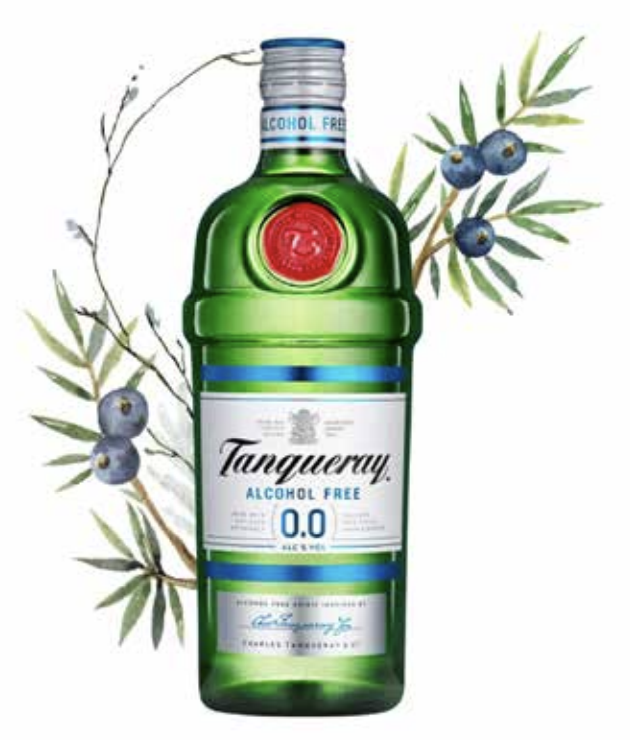
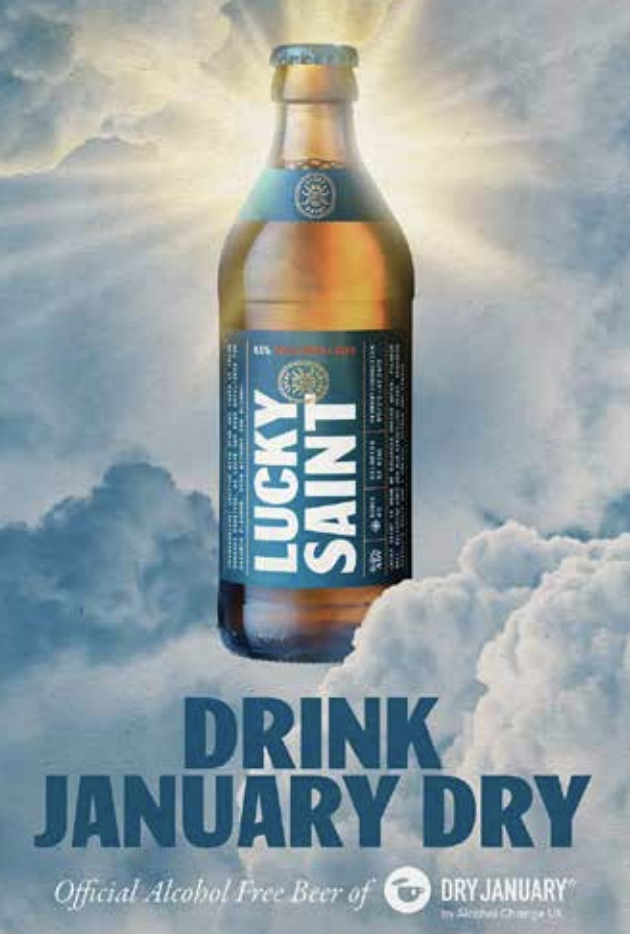
As enotourism specialist Sumedh notes, “Dry January is widely followed across urban, wellness-focused communities in many countries,” and serves as “a timely reminder to pause and reflect on our drinking habits, especially after an indulgent festive season.” Bars and restaurants now respond with alcohol-free menus, “no and low” drinks and creative mocktails. In London, for instance, self-respecting bars offer “a wide variety of alcohol-free beers, sparkling wines, zero-proof spirits,” from Lucky Saint to Tanqueray 0.0%, as Tatiana observes.

Social media has given Dry January its own culture. Friends post day counts, swap tips for evenings out without alcohol and share pictures of zero-proof beers, sparkling teas or non-alcoholic wines instead of the usual cocktails. In India too, wine enthusiast like Mohona Chowdhury highlight local alternatives, balancing with “non-alcoholic options like kanji, kokum sherbet, aam-panna, spiced buttermilk.” For some, it becomes a playful competition. For others, it is a quiet personal experiment. In both cases, the month creates a new kind of community around not drinking.
Mind, Habit and Identity
Dry January is as much about the mind as it is about the body. Alcohol often slips into routine, a glass of wine after work, a beer with friends, a drink to mark the weekend. Taking a month off interrupts that pattern. People start asking simple questions. Do I actually want this drink, or is it just a habit? Do I need alcohol to relax, to socialise, to sleep?

Many discover that they can go to dinners, parties and celebrations without always having a drink in hand. They learn which situations truly tempt them and which do not. In that sense, the month becomes a mirror. It reflects back the role alcohol plays in one’s daily life, not in theory but in practice, evening by evening. Wine and spirits specialist Rojita Tiwari captures this shift: “Dry January is less about abstinence and more about awareness. It nudges consumers to pause, reassess habits and return to drinking with intent.”
What Happens After the Month
The most interesting part of Dry January may not be the 31 days themselves but what follows. Some people treat it as a once-a-year detox, and then slip straight back into old patterns in February. Others find they like the clearer head and choose to extend their break into the next month. Many end up somewhere in between, drinking less often, choosing better quality drinks or setting small rules for themselves about when and how they drink.
Sumedh echoes this, with his “personal preference” leaning “toward moderation over abstinence,” while Tatiana advocates “conscious consumption, fewer occasions, premium selections, and heightened appreciation” for “smarter drinking year-round.” Research so far suggests that even one month off can lead to fewer drinking days and fewer heavy sessions later in the year for many participants. The long-term gains, though, depend on what one does with that experience. If Dry January becomes a doorway to more mindful drinking, the effects can last well beyond winter. If it is only a pause before another binge, the benefits fade quickly.
Not for Everyone, Not all or Nothing
There is a serious side that cannot be ignored. People with a heavy physical dependence on alcohol are often advised to seek medical help before stopping and sometimes to cut down slowly rather than quit all at once. Sudden withdrawal in such cases can be risky, which is why health experts stress that campaigns like Dry January are aimed at regular drinkers, not those with severe dependence.
For most others, the more useful idea may be moderation rather than a strict on-off switch. A month of abstinence can be powerful, but if it is followed by unchecked excess, it loses meaning. Learning to enjoy alcohol less often, in smaller amounts and in the right setting fits better with a balanced life for many people.
The Bigger Picture
Alcohol Change UK has turned Dry January into a registered, global campaign with a simple promise. One month. One clear goal. Yet the simplicity hides a complex picture. Alcohol is woven into culture, celebration and hospitality, even as it burdens health systems and families. Dry January sits in the middle of that tension. It gives people a socially acceptable excuse to say no for a while without having to declare that they are “quitters” forever.
Dry January will not fix every problem linked to alcohol. It will not, on its own, reverse years of heavy use or transform public health. What it can do is offer a pause, a reset and a moment of honest reflection. For some, that month becomes the first step toward sobriety. For others, it marks a new, more mindful relationship with drinking. And for many, it simply proves that life without automatic refills is possible, enjoyable and sometimes even preferable, one January at a time.

Mohona Chowdhury, E n o t o u r i s m Specialist, WSET-3
“Dry January is about u n d e r s t a n d i n g alcohol better and trying new spirits in moderation. It is a chance to explore Indian local beverages beyond familiar wine and mainstream spirits. Fermented drinks like toddy and Mahua reflect terroir, seasonality, and community traditions. Spirits such as feni express regional identity. Balance tasting with non-alcoholic options like kanji, kokum sherbet, aam-panna, spiced buttermilk and non-alcoholic wine. Taste mindfully, ask producers about techniques, and pair small plates to learn why these drinks belong to their places.”


Rojita Tiwari, Wine & Spirits Specialist and Founder of Drinks & Destinations
“Dry January is less about abstinence and more about awareness. It nudges consumers to pause, reassess habits and return to drinking with intent. For the industry, it signals a shift toward mindful consumption. For me, moderation is key and should guide choices, Dry January or not.”
Sumedh, CEO, AWS Global & Vbev
“Dry January is widely followed across urban wellness-focused communities in many countries. It serves as a timely reminder to pause and reflect on our drinking habits, especially after an indulgent festive season. As someone who has spent years working closely with wine and spirits, I see value in the intent behind Dry January, but my personal preference leans toward moderation over abstinence.

Tatiana Petrakova
“Alcohol, when enjoyed mindfully, with food, context, and restraint, fits well into a balanced lifestyle. Rather than an all or nothing approach, I embrace conscious consumption, fewer occasions, premium selections, and heightened appreciation. For me, true progress lies in smarter drinking year-round, not a one-month reset.”

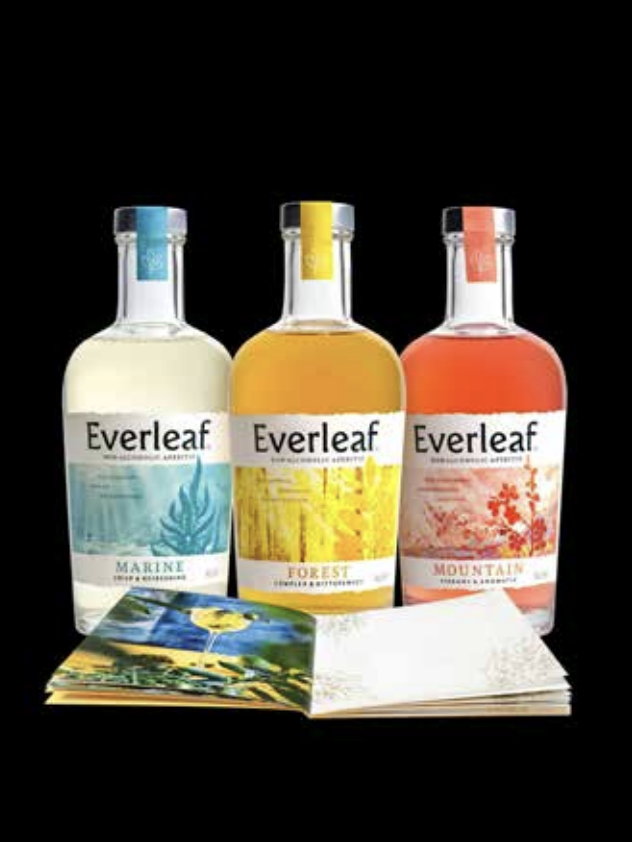
“In London, we are lucky to have a wide variety of alcohol-free beers, sparkling wines, zero-proof spirits, and every aperitif in between, such as Lucky Saint, Wild Idol, Seedlip, Everleaf, and Tanqueray 0.0%. Every self-respecting bar here has a diverse and creative range of non-alcoholic cocktails.

“For me, as a January baby, it is all about balance. A martini too dry or too wet is never good. It has to be just right. So I did enjoy a glass of champagne on my birthday, as well as a hot yoga session a few days later. Cheers to a healthy, tasty, and balanced 2026.”