FROM COUNTRY LIQUOR TO
CULTURAL ICON: OZZO
FENI BECOMES INDIA’S
FIRST GI-CERTIFIED SPIRIT

Neelu Chandni
Guest Writer
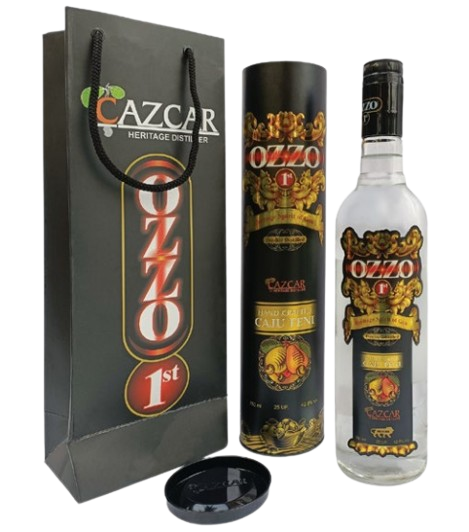
Goa’s beloved Feni just made history! Ozzo Feni
from Nanora is now India’s first-ever
Geographical Indication (GI) tagged spirit,
protecting its unique preparation and enhancing
its marketability. Crafted by Goa Heritage
Distillery in Nanora village, Ozzo Feni is India’s
first-ever cashew feni to receive a GI tag. This
milestone not only celebrates the rich heritage of
Goa’s traditional spirit but also paves the way for
global recognition, as the GI policy now tasks the
Tourism Department with promoting feni
nationally and internationally.
What is a GI Tag?
A Geographical Indication (GI) tag, also known as a GI tag, is a certification given to products that have a specific geographical origin and possess unique qualities, reputation, or characteristics linked to that location. It ensures that only products produced in the defined region using traditional methods or unique local resources can use the GI mark.
A Geographical Indication (GI) tag, also known as a GI tag, is a certification given to products that have a specific geographical origin and possess unique qualities, reputation, or characteristics linked to that location. It ensures that only products produced in the defined region using traditional methods or unique local resources can use the GI mark.
GI tags are a form of intellectual property right
that protects the reputation and origin of a
product. They prevent unauthorized use of a
product’s name, ensuring authenticity and
quality. GI tags can boost local economies by
promoting local craftsmanship, preserving
cultural heritage, and increasing the value of
products.
In India, GI tags are issued by the Geographical Indication Registry under the Department of Industry Promotion and Internal Trade. In essence, GI tags are a valuable tool for protecting intellectual property, promoting regional identity, and fostering economic development.
In India, GI tags are issued by the Geographical Indication Registry under the Department of Industry Promotion and Internal Trade. In essence, GI tags are a valuable tool for protecting intellectual property, promoting regional identity, and fostering economic development.
Receiving the GI tag means that feni is now
recognised globally and placed at a status
comparable to Scotch in Scotland or Champagne
in France.
What is Feni?
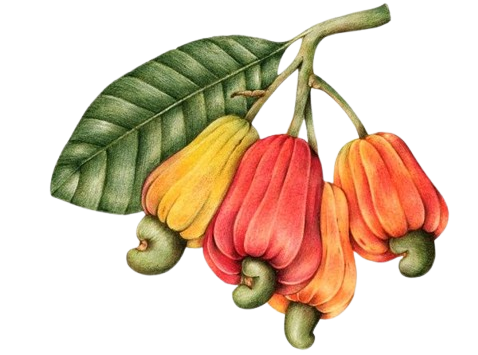
Feni is a traditional Indian spirit made from the fermentation and double distillation of either cashew apples or coconut sap. It’s a strong, clear liquor with a unique flavour profile and a history spanning centuries.
Feni is a traditional Indian spirit made from the fermentation and double distillation of either cashew apples or coconut sap. It’s a strong, clear liquor with a unique flavour profile and a history spanning centuries.
The cashew tree was introduced to Goa by
Portuguese missionaries in the 1600s, along with
the fruit known as the cashew apple. They also
brought with them the practice of distilling its
juice into feni, a tradition that gradually took root
among the local communities. Over time,
feni-making evolved into a small scale,
homegrown industry. The artisans, known as
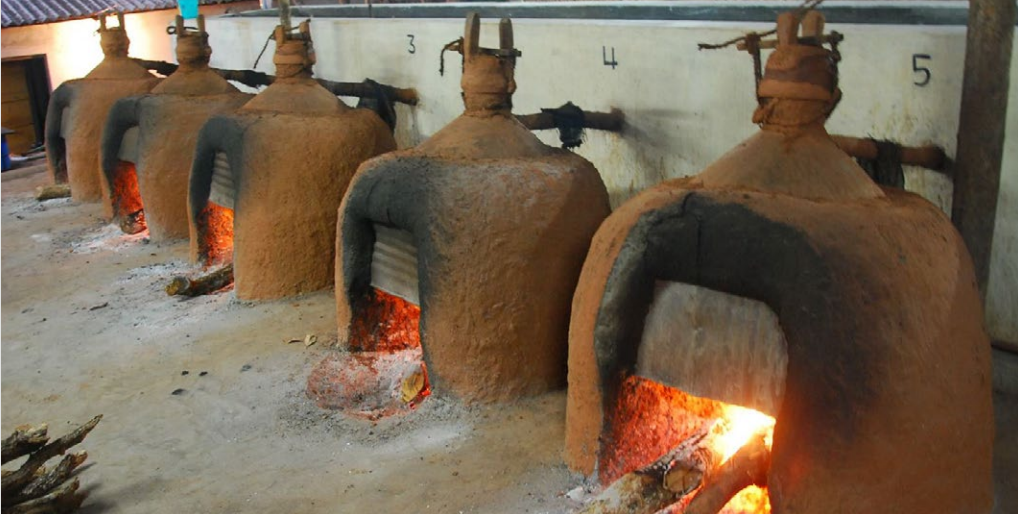
bhatikars, originally used earthen pots called
bhatis to fire the spirit. In modern times, this
process has transitioned to copper vessels using
condenser coil. “Back then, the juice was crushed
using bare feet,” says Bhakta. “Now, it’s all
modernized and technologically advanced.” The
juice undergoes natural fermentation for 72 hours
before distillation. The first distillate is called
urak, and when this is distilled again; along with a
bit of fresh juice, it becomes feni. This spirit is
bottled at its original distillation strength, with an
alcohol content ranging from 40% to 43% ABV
(alcohol by volume), meaning it isn’t diluted
before bottling.
The brand, which makes it strictly adheres to all
the regulations of GI certification, sources the
cashew apples from Goa, and all utensils used are
stainless steel, copper or glass. The condensation
of feni takes place in earthen mud clays called
launi.
Ozzo Feni
Nestled in Nanora village, 35 kilometres north of Panaji, Goa Heritage Distillery is the producer of Ozzo Feni. Second-generation owner of the distillery and founding member of Goa Cashew Feni Distillers and Bottlers Association (GCFDBA), Gurudatta Bhakta, reveals, “It is a proud moment for us, and the state of Goa. The Government of India has made a GI policy that puts the onus on the Department of Tourism to promote the produce nationally and internationally. This is the beginning of feni’s journey on the global map,” he believes.
Nestled in Nanora village, 35 kilometres north of Panaji, Goa Heritage Distillery is the producer of Ozzo Feni. Second-generation owner of the distillery and founding member of Goa Cashew Feni Distillers and Bottlers Association (GCFDBA), Gurudatta Bhakta, reveals, “It is a proud moment for us, and the state of Goa. The Government of India has made a GI policy that puts the onus on the Department of Tourism to promote the produce nationally and internationally. This is the beginning of feni’s journey on the global map,” he believes.
Ozzo Feni has been made following stringent regulations of GI certification — the cashew
apples are sourced from Goa and all utensils used
are stainless steel, copper or glass. The
condensation of feni takes place in earthen mud
clays called launi.
“The recent launch of Ozzo Feni by Cazcar marks
a pivotal moment in feni’s history. As Goa’s first
GI-tagged cashew feni, it also becomes India’s
inaugural GI-certified alcohol brand. This
designation elevates GI Feni to a status
comparable to Scotch in Scotland or Champagne
in France, positioning it as India’s first officially
recognised geographical indication alcoholic
beverage,” reasons Hanzel Vaz, GCFDBA
secretary.
The Feni Distillers and Bottlers Association was
formed in 2007. “The State Government, under
the wing of Science and Technology, decided
that feni is a heritage spirit of Goa; it was
previously regarded as country liquor. Cashew
apples are grown in many parts of India, but feni
is made only in Goa,” informs Bhakta, who is the
founding member of the association. He signs off
with an anecdote: “Mothers in Goa would give
their children some feni to carry when they
moved to colder regions of the world. They
advised them to consume two spoons if it got too
cold. There is a related quote as well in Konkani:
‘Goencho soro jeevak boro’, which translates to:
Goan feni is good for health.”