LA COMMANDERIE DE PEYRASSOL: KNIGHTS’ VINES, STARRED PLATES, AND PROVENCE’S LIVING LEGACY

Malay Kumar Rout
In routmalay
The founder of WSCI
(Wine & Spirits Club of India)
Some estates feel almost animate, shaped by centuries, sharpened by intention and sustained by a philosophy that outlives people. La Commanderie de Peyrassol, tucked in the Var region of Provence, is one of those rare places. Time spent here makes it clear that landscapes remember, and history is always pressing softly against the present.
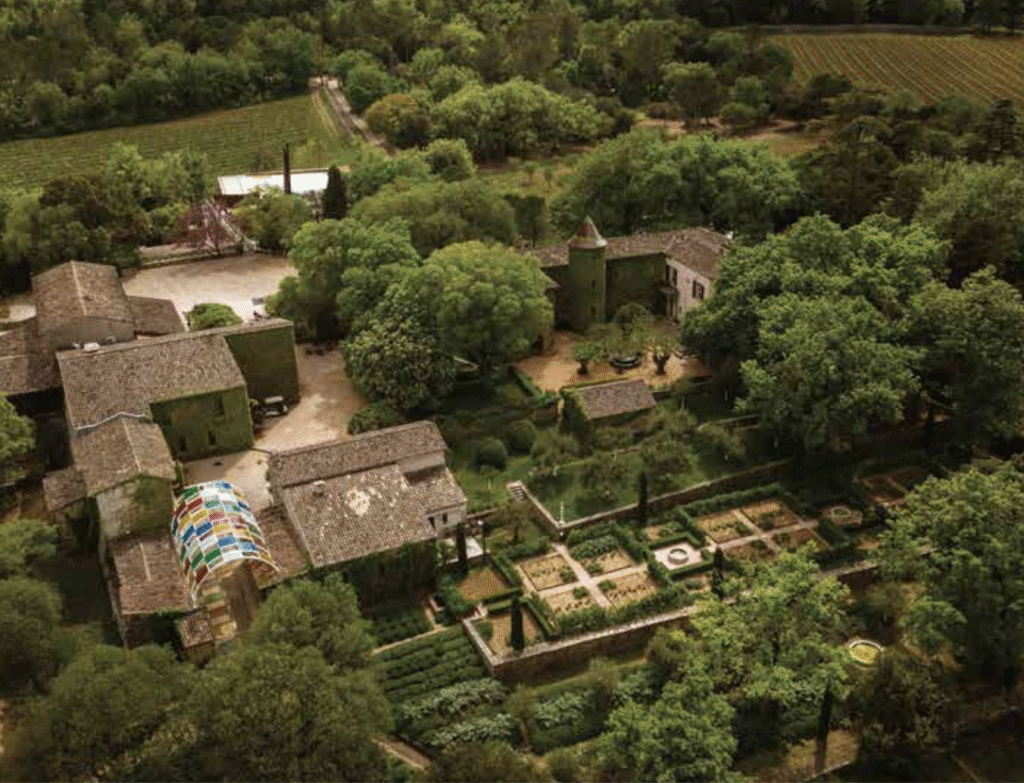
The first historical mention of La Commanderie de Peyrassol dates to the 13th century, when it served the Knights Templar and later the Knights of Malta. The Château Peyrassol vineyard, written about as early as 1256, took root long before wine became an industry. After the French Revolution, the Rigord family acquired the property in 1790, safeguarding its agricultural legacy for generations.
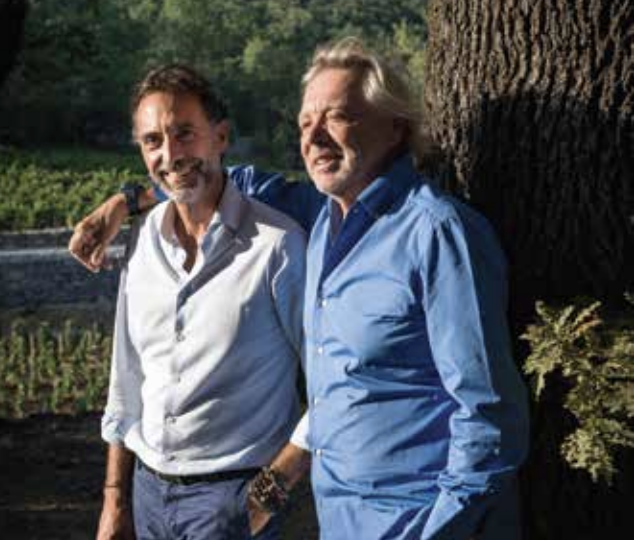
A turning point came in 2001, when Philippe Austruy took stewardship of the estate. Rather than reinventing it, he restored its medieval framework and envisioned a cultural destination shaped by art, hospitality and sustainable viticulture. Together with his nephew Alban Cacaret, he tends the estate with the conviction that heritage thrives when treated as something alive. A living estate where history continues unfolding.
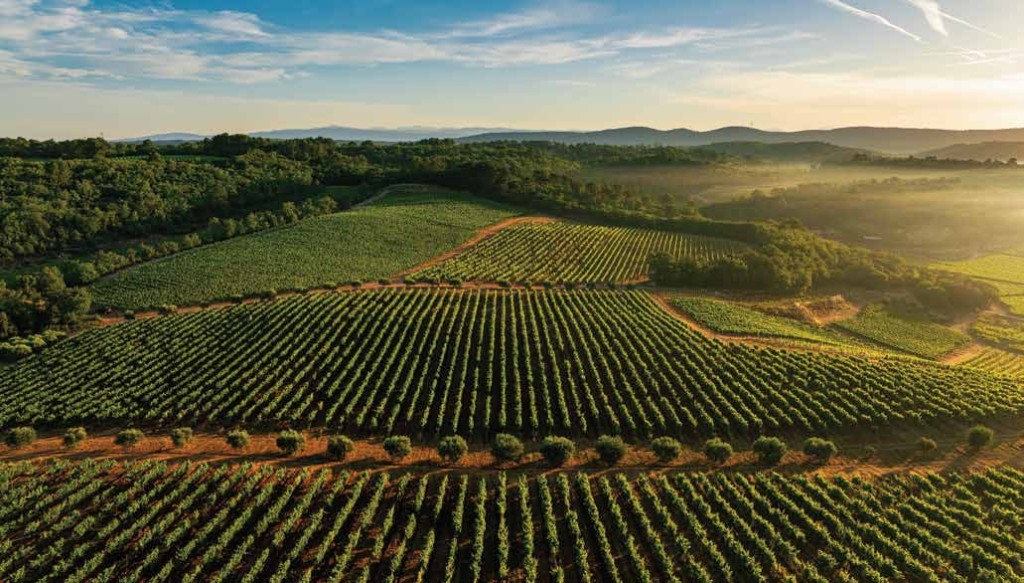
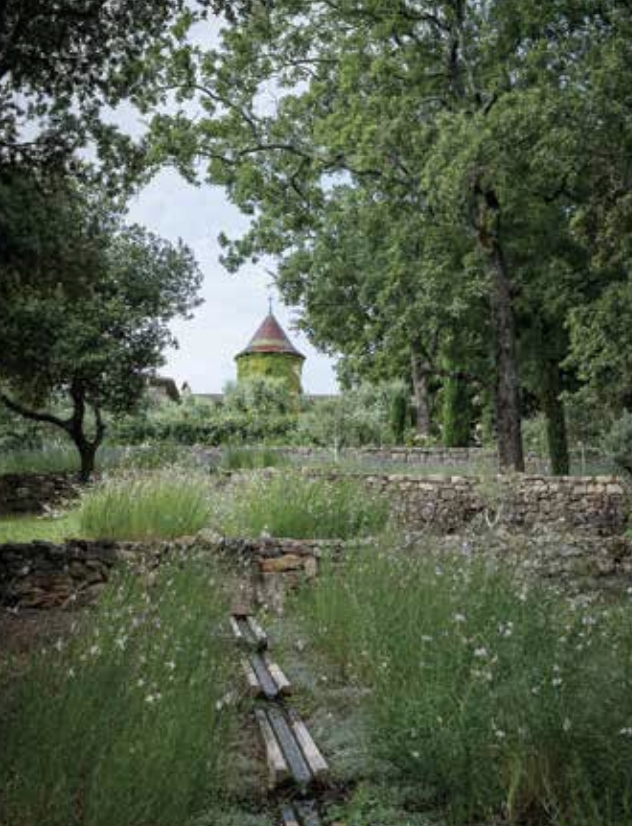
La Commanderie de Peyrassol stretches across 850 hectares of woodlands, olive groves, Provençal garrigue and the 92-hectare Château Peyrassol vineyard. Each parcel is cultivated as its own micro terroir. Gravelly clay limestone soils drive the vines to root deeply, creating the mineral tension that defines the wines. Altitude and the inland climate bring marked day-night shifts, preserving freshness. Around the vineyards, truffle oaks, rosemary, thyme, olive trees and wild flora enrich biodiversity, making the estate not only scenic but ecologically dynamic.
A Multi-Sensory Adventure
More than 60 monumental contemporary artworks animate the Commanderie de Peyrassol. Pieces by Anish Kapoor, Daniel Buren, Niki de Saint Phalle and Bernard Venet appear in glades, along pathways and among the vines. Kapoor’s mirrored voids echo the depth beneath the limestone soils, while Buren reframes the region’s famously sharp light. Moving through the estate feels like crossing between two terroirs, one geological and one imagined.
More than 60 monumental contemporary artworks animate the Commanderie de Peyrassol. Pieces by Anish Kapoor, Daniel Buren, Niki de Saint Phalle and Bernard Venet appear in glades, along pathways and among the vines. Kapoor’s mirrored voids echo the depth beneath the limestone soils, while Buren reframes the region’s famously sharp light. Moving through the estate feels like crossing between two terroirs, one geological and one imagined.
Its hospitality reflects the same ethos. The restored Templar Bastide offers 10 guest rooms, each with stone-walled charm and sweeping views of the Peyrassol vineyards. Deeper in the forest, La Rouvière provides a retreat of trails, wildlife and silence. Whether in the bastide or the woodland lodge, each stay feels like entering the estate’s long historical continuum.
Wine and food at Chez Jeannette are created as a common language rather than a pairing exercise. Awarded one Michelin star in the MICHELIN Guide France 2025, the restaurant run by chef Benjamin Le Balch made the long-standing culinary focus of the estate official. The cooking is organised, seasonal and defiantly Provençal.
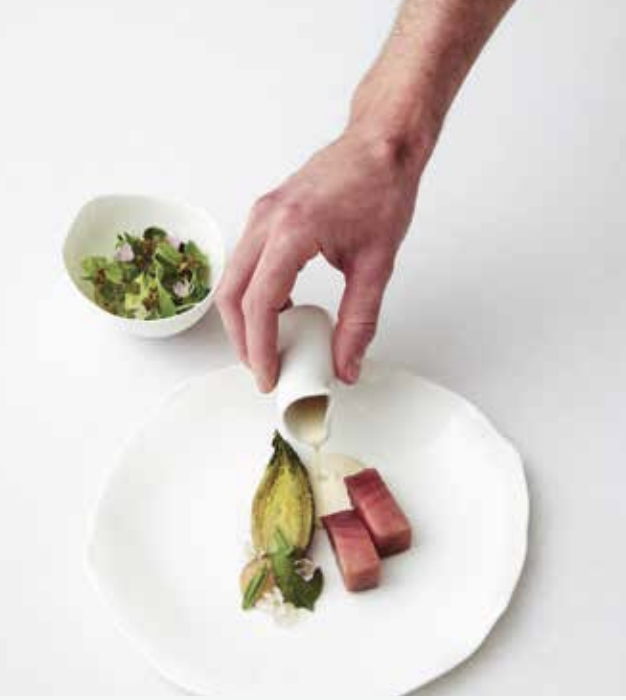
The cuisine is anchored in a locavore philosophy, drawing extensively from the estate’s organic kitchen garden and surrounding producers. Vegetables often lead the plate, proteins are handled with restraint, and sauces favour clarity over richness. The setting, quite literally within the vineyard, reinforces the point that this is not destination dining detached from place but cuisine grown out of it.
Provence, Rosé, and Château Peyrassol Rosé
With around 40 percent of worldwide rosé output, Provence sets the stylistic and technical standard and produces around 90 percent of France’s rosé wines. Rosé in Côtes de Provence is a structured wine distinguished by regulated pressing, temperature-controlled fermentations and a preference for freshness over colour extraction rather than a summer accessory.
With around 40 percent of worldwide rosé output, Provence sets the stylistic and technical standard and produces around 90 percent of France’s rosé wines. Rosé in Côtes de Provence is a structured wine distinguished by regulated pressing, temperature-controlled fermentations and a preference for freshness over colour extraction rather than a summer accessory.
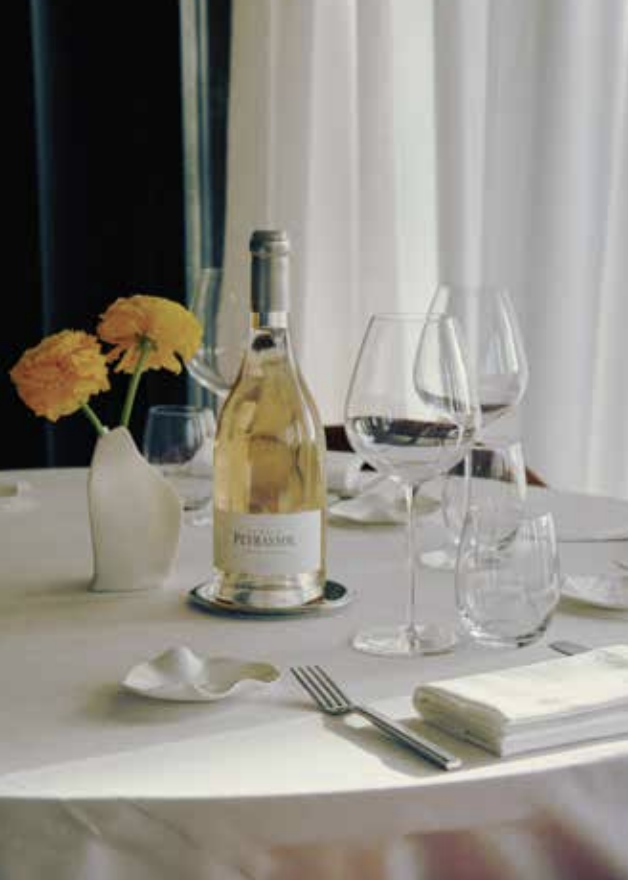
The Château Peyrassol Côtes de Provence Rosé is a perfect example. It indicates finesse rather than strength with a faint salmon-pink colour and metallic reflections in the glass. On the nose, it begins with white peach, wild strawberry and citrus zest, then builds with soft floral hints and Provençal herbs.
Driven by vine peach, pink grapefruit and red currant flavours, the wine is crisp yet textured on the palate. A chalky saline minerality carries through the mid-palate. Crafted to refresh while holding its own at the table, the finish is dry, exact and tinged with salt. This rosé speaks of place and intent rather than style.
Produced entirely from estate-grown grapes and certified organic since 2022, Estate Wines Château Peyrassol, Clos Peyrassol and “1204” are made solely from estate-grown grapes. Château Peyrassol Rosé remains the most important wine because it is mineral, balanced and subtly expressive. “1204” leans towards a more culinary range with citrus, blossom and vine peach. The whites and reds emphasise clarity, restraint and vineyard character over oak-driven excess.
Branded Wines and Daily Ease
The Branded Wines Les Commandeurs and Lou par Peyrassol play a distinct but deliberate role within the portfolio. Designed for earlier drinking and broader accessibility, they offer a clear entry point into the estate’s style without oversimplification. Les Commandeurs Rosé, in particular, retains brightness and fruit purity while still carrying a light mineral spine that marks its provenance. These wines are often the first encounter consumers have with Peyrassol, and they function as ambassadors rather than compromises. They introduce the estate’s philosophy in a format suited to casual dining, by-the-glass programmes and everyday Mediterranean tables.
The Branded Wines Les Commandeurs and Lou par Peyrassol play a distinct but deliberate role within the portfolio. Designed for earlier drinking and broader accessibility, they offer a clear entry point into the estate’s style without oversimplification. Les Commandeurs Rosé, in particular, retains brightness and fruit purity while still carrying a light mineral spine that marks its provenance. These wines are often the first encounter consumers have with Peyrassol, and they function as ambassadors rather than compromises. They introduce the estate’s philosophy in a format suited to casual dining, by-the-glass programmes and everyday Mediterranean tables.
Organic certification in 2022 formalised what had long been ingrained in practice. Cover crops, biodiversity-led pest management, mild soil aeration and minimal intervention in the cellar were already part of the ethos. The outcome is consistency throughout the whole ecosystem of the estate, not merely across vintages. The Peyrassol Commandery survives because it considers its heritage a responsibility rather than a relic. Art is a talent here, not decoration. Rosé is a craft rather than a mood. Gastronomy is a skill rather than a performance. In the end, Provence’s open secret is its most persuasive confidence, developed patiently over time and poured with intent. It is a tradition sustained through thoughtful evolution.