
WINE TOURISM IN INDIA: A JOURNEY THROUGH VINEYARDS, LANDSCAPES, AND STORIES

Hansraj Ahuja
Co-founder of Apex Wine Club
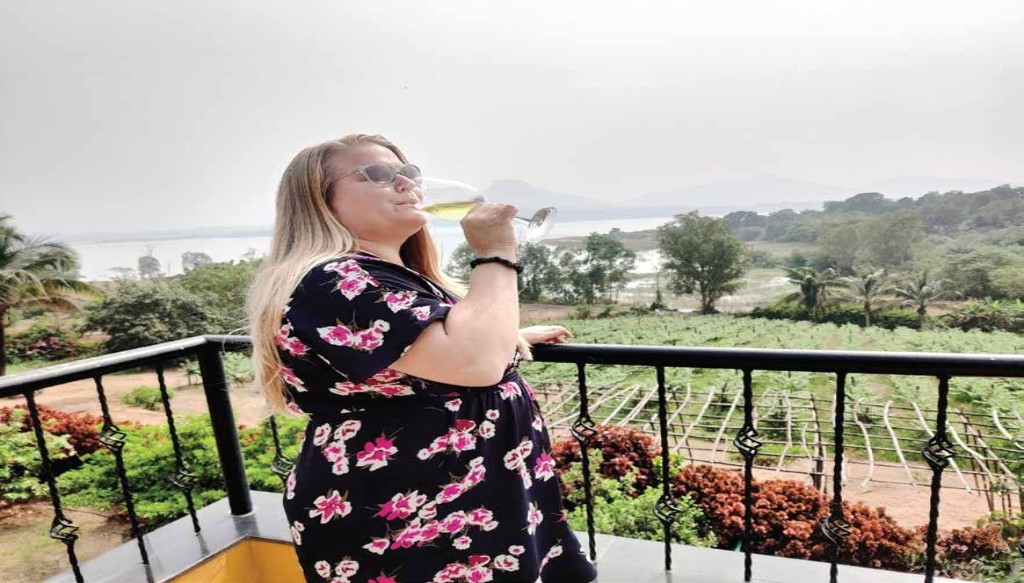
Most people don’t think of India when they think of wine; the rolling hills of Tuscany, the châteaux of Bordeaux, or the sunlit valleys of California first come to mind; yet quietly and steadily, one vineyard, one bottle, and one curious traveller at a time, India has been nurturing a wine culture of its own.
Wine tourism in India is still young, but that is precisely its charm; there is freshness here, a sense of discovery, of stepping into wine regions that are still writing their opening chapters. More Indians today are travelling not just to beaches or mountains, but to vineyards tucked between hills, lakes, forests, and ancient landscapes. Each visit reveals how wine in India is far more than a drink: it is a journey.
The Journey Begins
A short drive from Mumbai brings you to Nashik, India’s undisputed wine capital. Quiet valleys, rows of vines that stretch into the distance, and tasting rooms with sweeping views of the Western Ghats, this is where India’s wine story begins.
A short drive from Mumbai brings you to Nashik, India’s undisputed wine capital. Quiet valleys, rows of vines that stretch into the distance, and tasting rooms with sweeping views of the Western Ghats, this is where India’s wine story begins.
Nashik’s warm days and cool nights are perfect for varietals like Shiraz, Cabernet Sauvignon, Chenin Blanc, and Sauvignon Blanc. Visitors wander along the vines, pause for tastings, and enjoy food pairings that beautifully weave Indian flavours with Indian wines.
A little further south, Pune adds its own character with boutique wineries: smaller, more intimate, with a handcrafted charm. Tastings here often feel like personal conversations, where winemakers share their experiments, triumphs, and surprises.
In Karnataka, the vineyards of Nandi Hills offer a different mood: higher altitude, cooler air, and gentle slopes; it’s a region where the sunsets linger, and a glass of wine tastes especially reflective in the fading light.
Nearby, Hampi, a UNESCO World Heritage Site, presents perhaps the most dramatic setting: ruins and massive boulders surrounding vineyards that feel at once ancient and modern. Wineries here bring a sense of craftsmanship and quiet excellence to this extraordinary landscape.
In the north, regions like Himachal Pradesh and parts of the Northeast produce fruit wines: apple, plum, peach, pineapple, and kiwi. These wines tell stories not just of the land but of communities that have embraced local produce and traditional methods in fresh, meaningful ways.
Experiencing India’s Vineyards
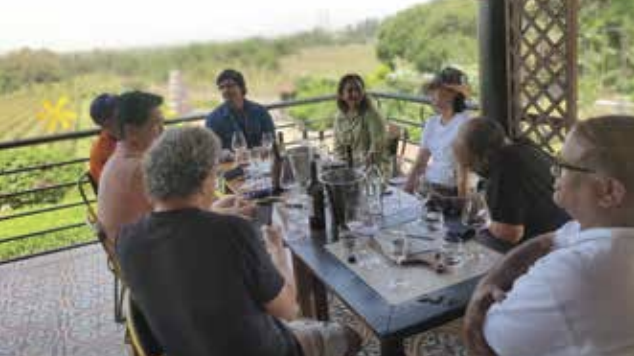
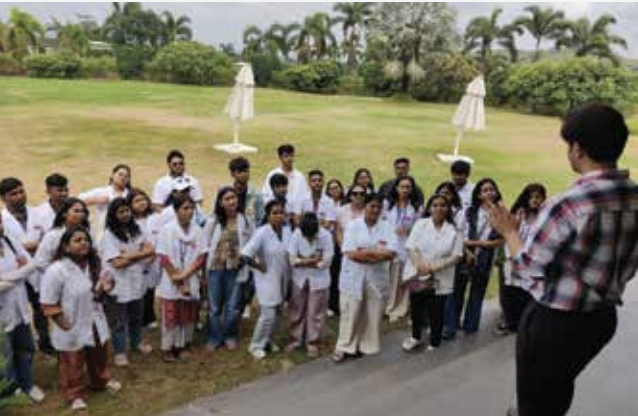
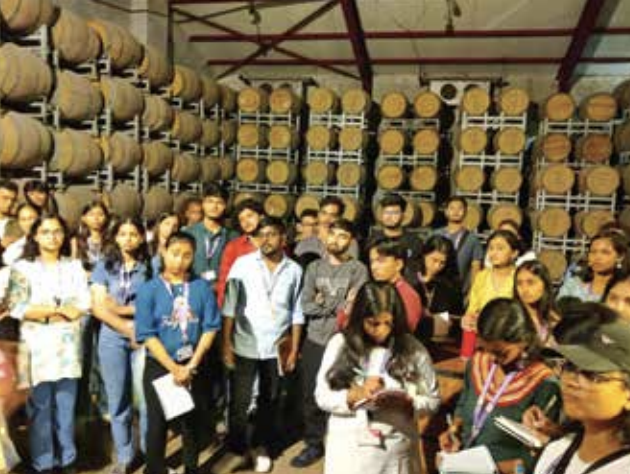
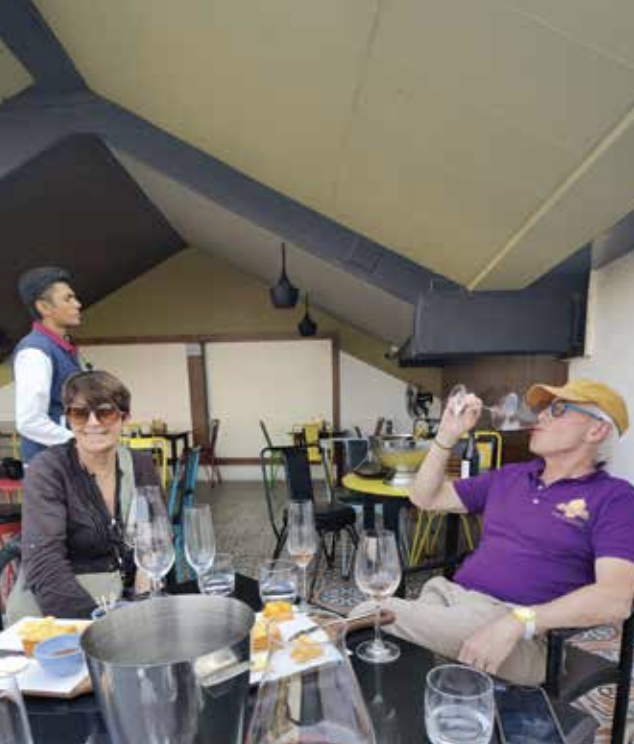
Exploring India’s vineyards is an experience that unfolds at its own unhurried pace. A typical visit begins with a walk through the vines, touching the leaves, learning about pruning and harvesting, and understanding how soil and climate shape each grape. Winemakers explain the delicate balance of acidity, tannins, fermentation, and ageing. These insights come alive when one sits down for a curated tasting: a crisp Chenin Blanc enjoyed under the afternoon sun, a deep Shiraz paired with aromatic kebabs, or a sparkling wine savoured at sunset.
Exploring India’s vineyards is an experience that unfolds at its own unhurried pace. A typical visit begins with a walk through the vines, touching the leaves, learning about pruning and harvesting, and understanding how soil and climate shape each grape. Winemakers explain the delicate balance of acidity, tannins, fermentation, and ageing. These insights come alive when one sits down for a curated tasting: a crisp Chenin Blanc enjoyed under the afternoon sun, a deep Shiraz paired with aromatic kebabs, or a sparkling wine savoured at sunset.
Many wineries now offer ‘staycations’, with charming rooms overlooking the vineyard. Mornings begin with mist rising over the vines, and evenings end with conversations around a bottle shared among friends. Visitors can also enjoy wine festivals, where music, artisanal food, grape stomping, and lively crowds celebrate the fun side of wine culture.
Educational workshops on wine appreciation, sensory evaluation, and grape growing add depth for those keen to learn more. And for many first-time visitors, the playful, messy, and joyful activity of grape stomping remains a highlight.
The Power of Storytelling
Across the world, wine tourism thrives on storytelling. In France, Italy, Australia, South Africa, and the United States, wineries narrate their history, struggles, triumphs, and the legends attached to their land. Visitors remember these stories long after the tasting ends.
Across the world, wine tourism thrives on storytelling. In France, Italy, Australia, South Africa, and the United States, wineries narrate their history, struggles, triumphs, and the legends attached to their land. Visitors remember these stories long after the tasting ends.
Storytelling is one of the most powerful tools of brand building in the global wine industry. A compelling narrative creates emotional connection: something far stronger than technical details. A visitor who hears a beautiful story remembers the wine; a visitor who hears only technicalities remembers nothing.
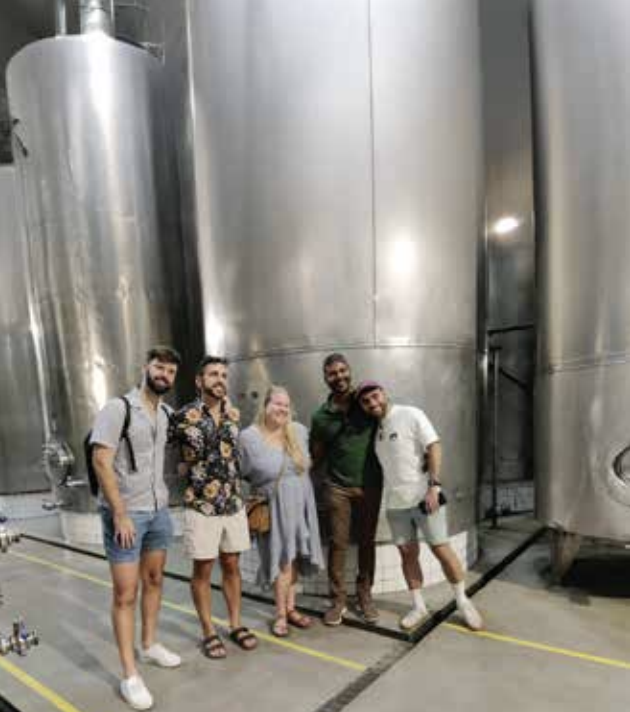
In India, most tasting sessions remain technical, focusing on fermentation, steel tanks, residual sugar, and acidity levels. While informative, they miss the warmth and personality that turn a tasting into a memory.
Indian wineries have a unique opportunity to infuse each tasting with stories: how the vineyard began, why the founder chose this land, the struggles they face with weather, pests, and harvest, perhaps a special vintage they created by accident, what inspirations
guide their labels and blends, and maybe a
hint of local folklore tied to the region.
This storytelling approach can transform wine tourism in India, giving wineries stronger identities and offering visitors richer, more intimate experiences. In a country built on oral tradition, stories are our greatest strength; they make wine personal.
Challenges on the Wine Trail
Despite the charm and promise, wine tourism in India faces several challenges. Awareness remains limited as many still see wine as elite or foreign. Regulatory hurdles, varying state laws, and high taxes complicate operations. Infrastructure in certain regions needs improvement: better roads, signage, and accommodation would help attract more travellers. Wine tourism is also seasonal, with peak activity during harvest and festival months. Yet, every challenge is also an opportunity for growth.
Despite the charm and promise, wine tourism in India faces several challenges. Awareness remains limited as many still see wine as elite or foreign. Regulatory hurdles, varying state laws, and high taxes complicate operations. Infrastructure in certain regions needs improvement: better roads, signage, and accommodation would help attract more travellers. Wine tourism is also seasonal, with peak activity during harvest and festival months. Yet, every challenge is also an opportunity for growth.
The Road Ahead
The future looks bright. New wine regions are emerging. Sustainability, organic farming, water management, and eco-friendly practices are becoming central to winemaking. Culinary tourism is naturally blending with vineyard experiences, showcasing how beautifully Indian cuisine pairs with Indian wines. Cultural elements include music nights, art exhibitions, and yoga among the vines, which are helping create deeper, more immersive experiences.
The future looks bright. New wine regions are emerging. Sustainability, organic farming, water management, and eco-friendly practices are becoming central to winemaking. Culinary tourism is naturally blending with vineyard experiences, showcasing how beautifully Indian cuisine pairs with Indian wines. Cultural elements include music nights, art exhibitions, and yoga among the vines, which are helping create deeper, more immersive experiences.
Digital storytelling, virtual tastings, and online vineyard tours are expanding reach beyond physical travel. A younger generation of winemakers, trained abroad and inspired by global standards, is infusing the industry with fresh ambition and creativity. Most importantly, there is a growing recognition that wine tourism is not just about wine: it is about hospitality, culture, landscape, and storytelling combined.
A Journey Waiting to Be Taken
Wine tourism in India is a journey of discovery, of land and climate, of craft and passion, of flavours shaped by the hands that nurture them. Whether one walks through Nashik’s sunlit rows, sips of wine in the hills of Karnataka, explores vineyards rising among Hampi’s ancient stones, or enjoys a fruit wine trail in the Himalayas, each step brings with it a story.
Wine tourism in India is a journey of discovery, of land and climate, of craft and passion, of flavours shaped by the hands that nurture them. Whether one walks through Nashik’s sunlit rows, sips of wine in the hills of Karnataka, explores vineyards rising among Hampi’s ancient stones, or enjoys a fruit wine trail in the Himalayas, each step brings with it a story.
India’s wine regions are not trying to imitate the world; they are creating something uniquely their own. For travellers seeking experiences that are slow, thoughtful, and rich in culture, Indian vineyards offer a world waiting to be explored, one glass, one landscape, and one story at a time.
About the Author:
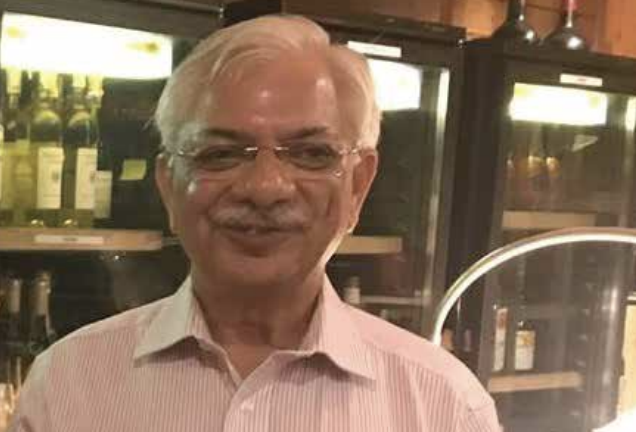
Hansraj Ahuja has been a pioneering voice in India’s wine journey since 1994. As a marketer, traveller, educator and writer, he has collaborated with international producers, promoted wine awareness across the country, and authored the book, ‘Grape to Glass’. He is also the co-founder of the Apex Wine Club, where he continues to champion wine appreciation, consumer education and a responsible wine culture in India.
Hansraj Ahuja has been a pioneering voice in India’s wine journey since 1994. As a marketer, traveller, educator and writer, he has collaborated with international producers, promoted wine awareness across the country, and authored the book, ‘Grape to Glass’. He is also the co-founder of the Apex Wine Club, where he continues to champion wine appreciation, consumer education and a responsible wine culture in India.